Siargao and the Cost of Paradise
There are over 7,000 officially recognized islands in the Philippines. One of the islands I’d always dreamed of visiting was Siargao.
To my surprise, I ended up sandwiched on the plane beside three young Israeli men. Old enough, I assumed, to have been drafted into the IDF. Me, of all people, I thought—someone carrying roots from a land their government is actively bombing and displacing. I quietly tucked my Arabic necklace beneath my shirt while the passenger beside me scrolled through an Israeli WhatsApp news group. One of them wore tan tactical boots that looked more military than backpacker.
In my head, I rehearsed what I wanted to say once we landed: What the fuck are you doing here?
But by the time we arrived in Siargao, I realized the feeling I was carrying wasn’t only about them.
The plane itself felt like a preview of what was waiting on the island. Row after row of white tourists. I think my mom and I were the only Filipinos on the flight. Even at the airport, I felt like a minority in my own country.
And when I arrived in Siargao, the feeling only deepened.
I was shocked by how many businesses locals told me were foreign-owned — cafes, hostels, restaurants, gyms, surf shops. Everywhere I looked, I saw the aesthetics of paradise being packaged and sold back to us. One thing about me: I will always ask who owns a place before I spend my money there. Foreign businesses don’t need more of mine.
Most people seemed to come to Siargao for the nightlife and surfing. I came wanting to learn from the people still rooted to the island. I wanted the Siargao that still felt lived in. The one where people farmed, wove banig, and knew the land by memory.
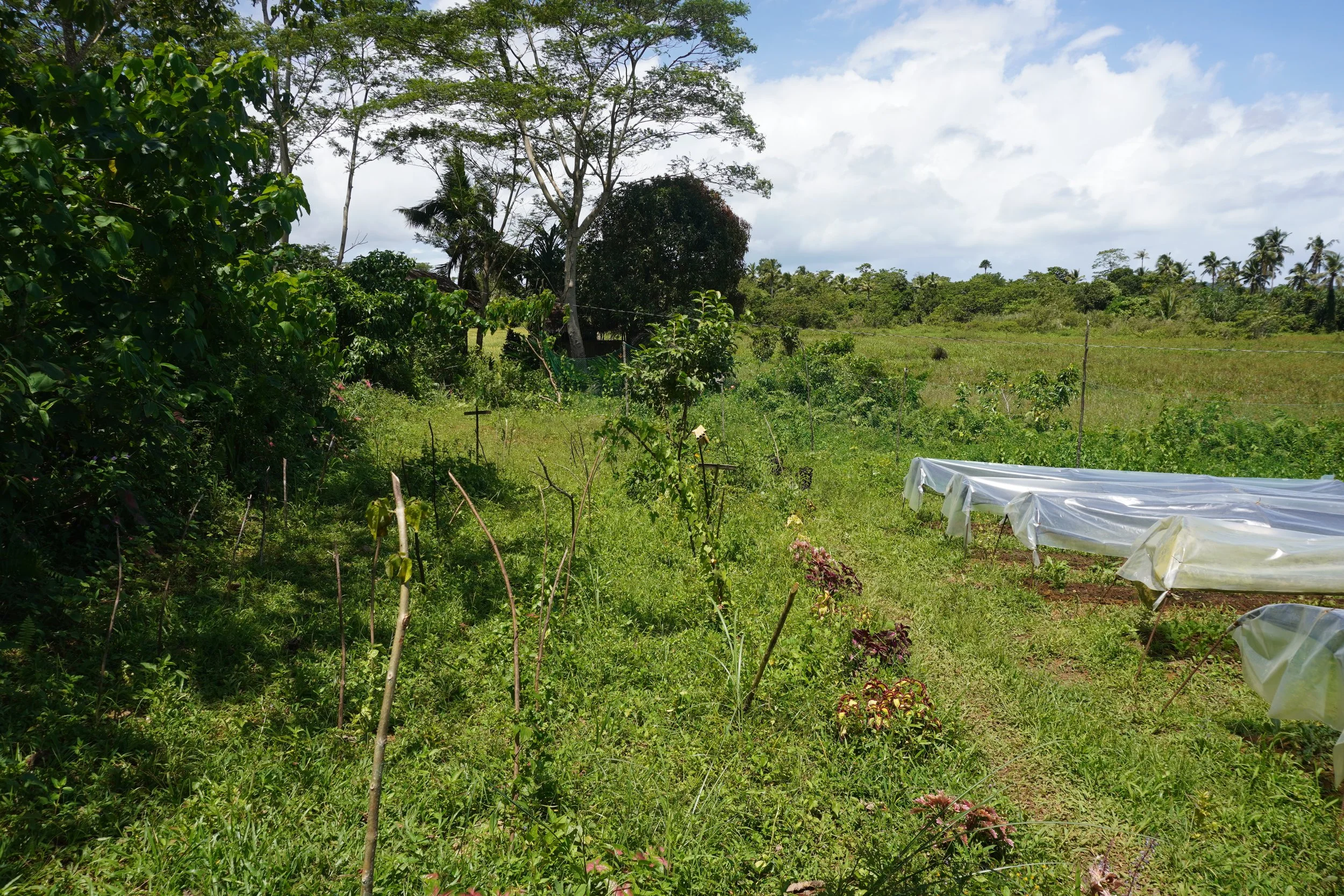
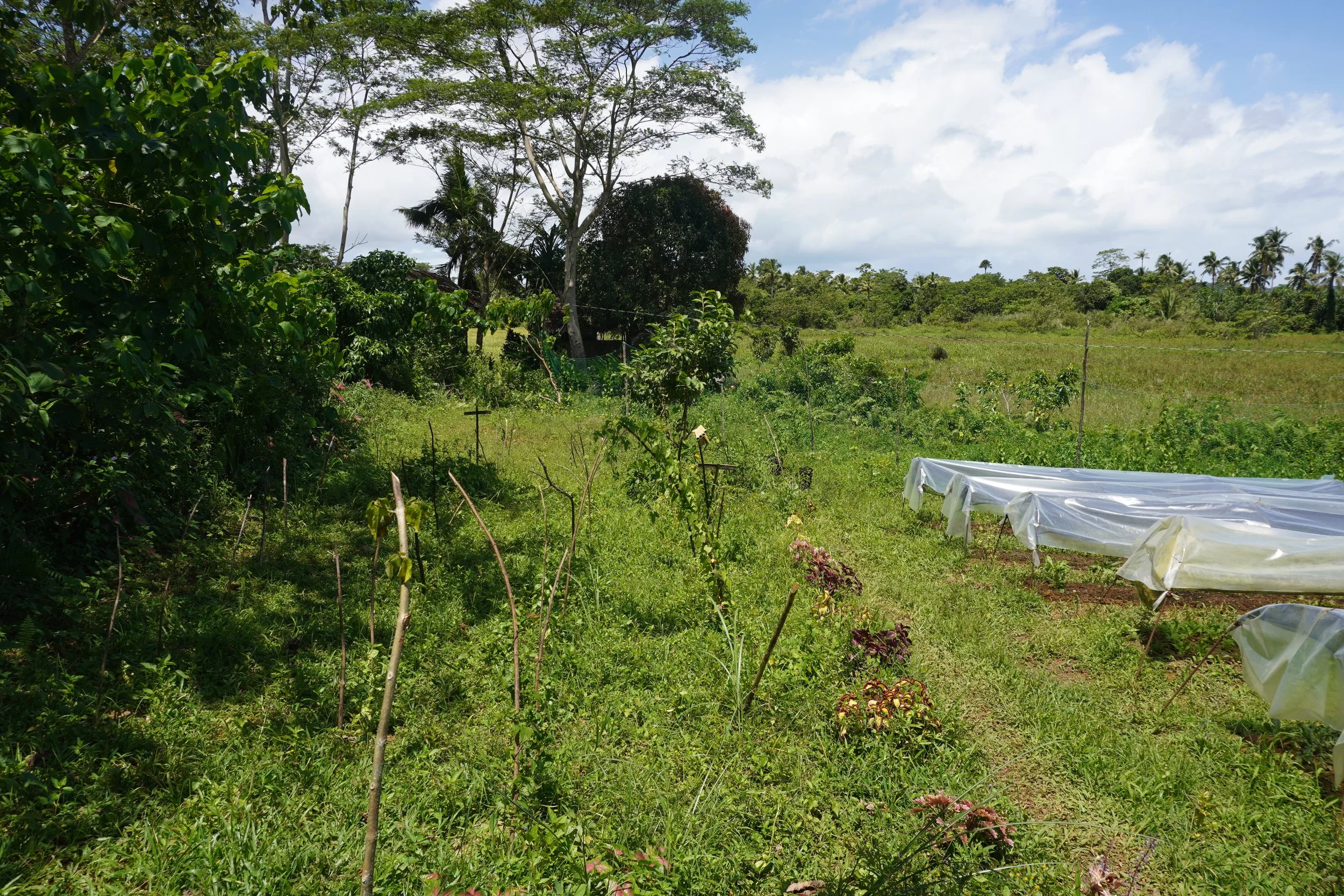
A few days later, I drove my little scooter north with my 65-year-old mother balancing behind me, her arms wrapped tightly around my waist as we passed coconut trees and uneven roads toward a farm run by Lokal Lab.
And for the first time since arriving, I felt my shoulders soften. I met Filipinos building something rooted in care and sustainability instead of extraction.
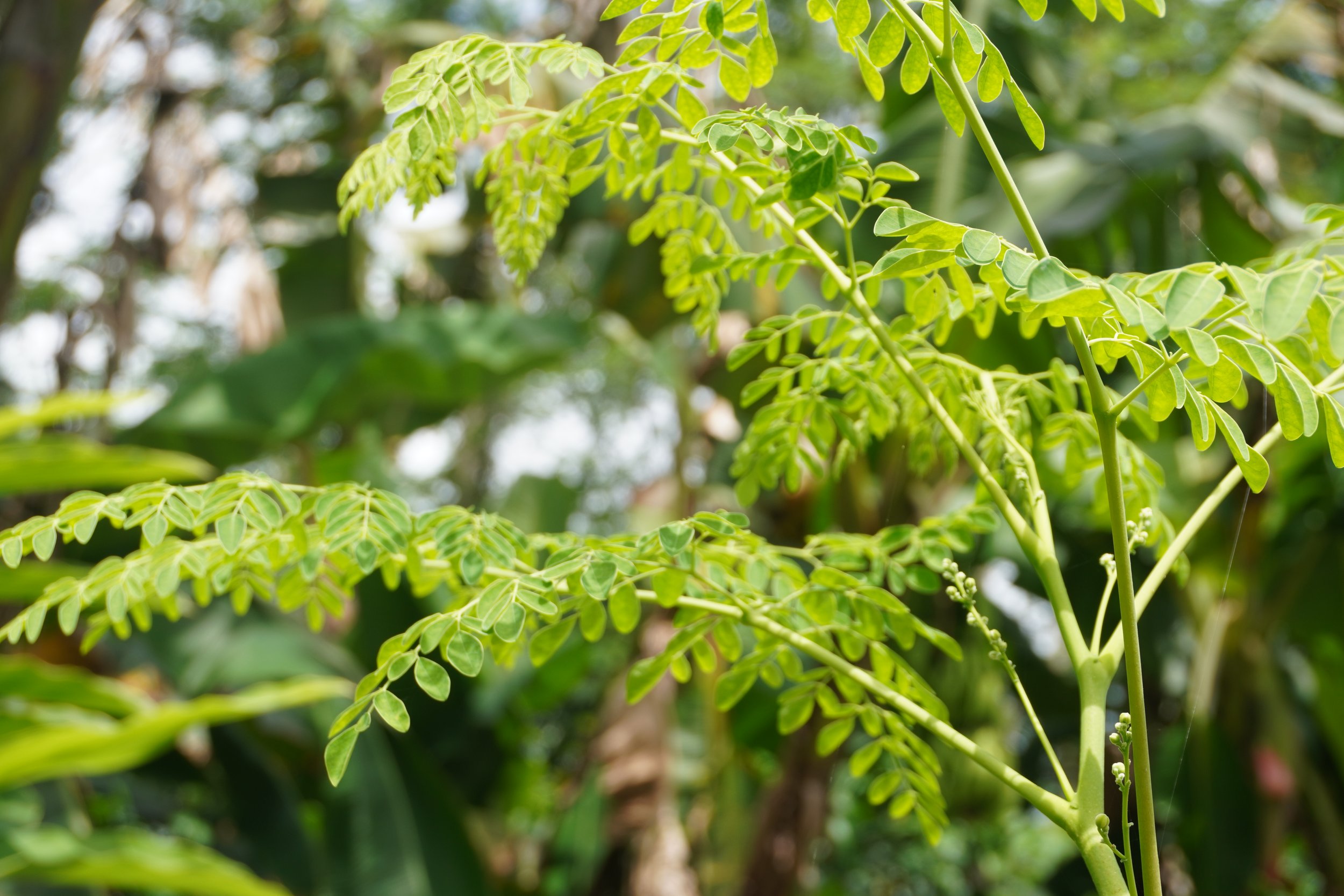
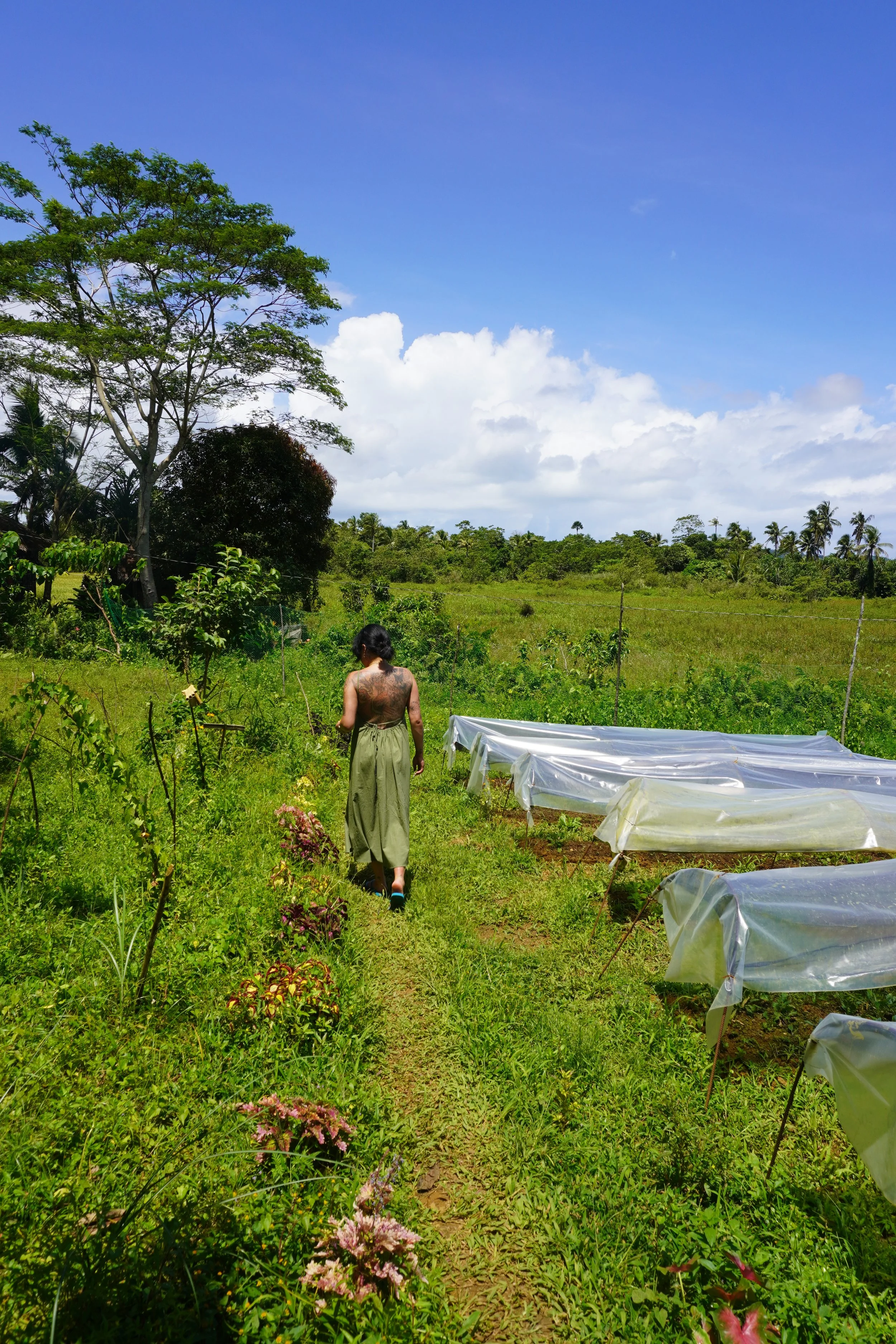
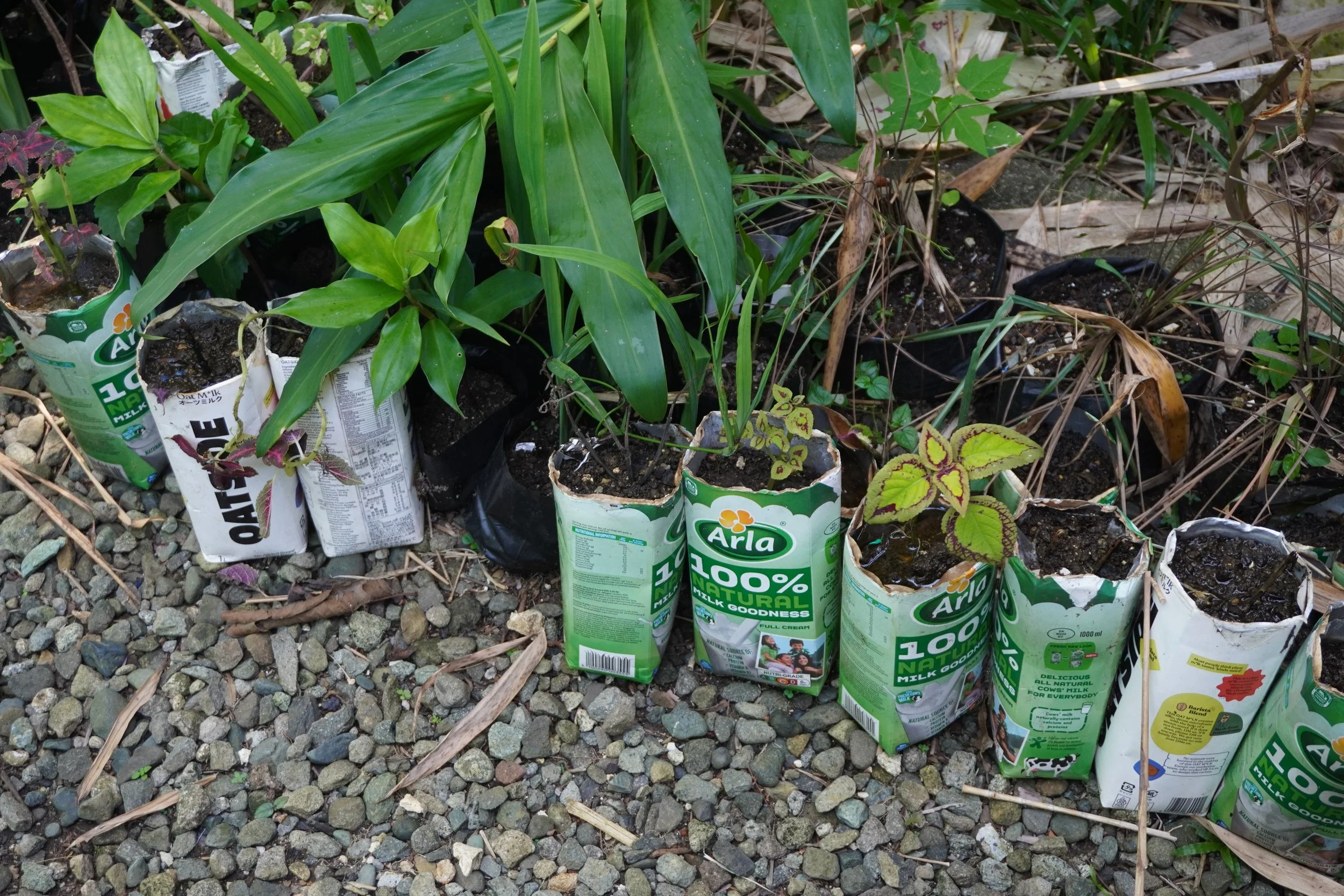
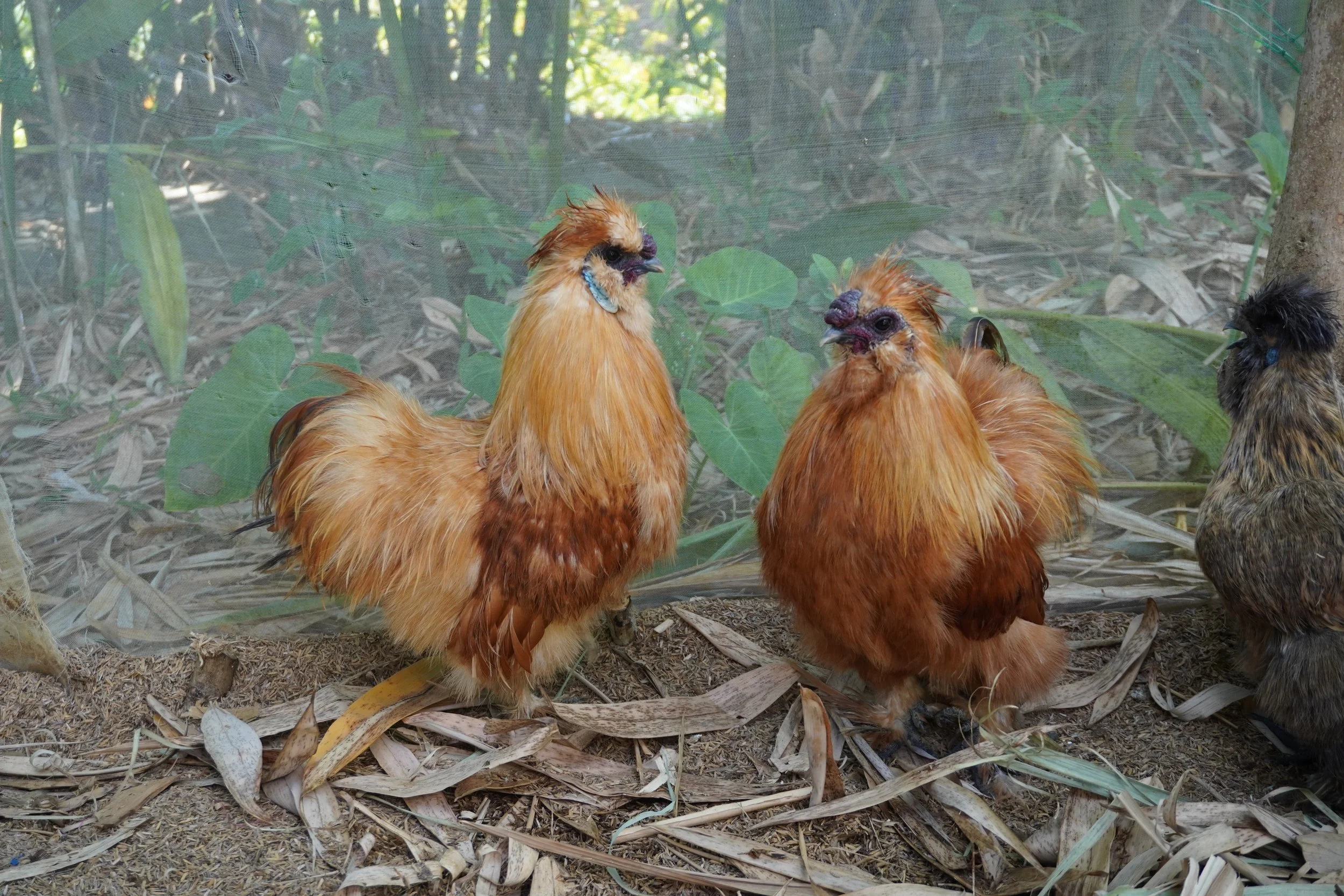
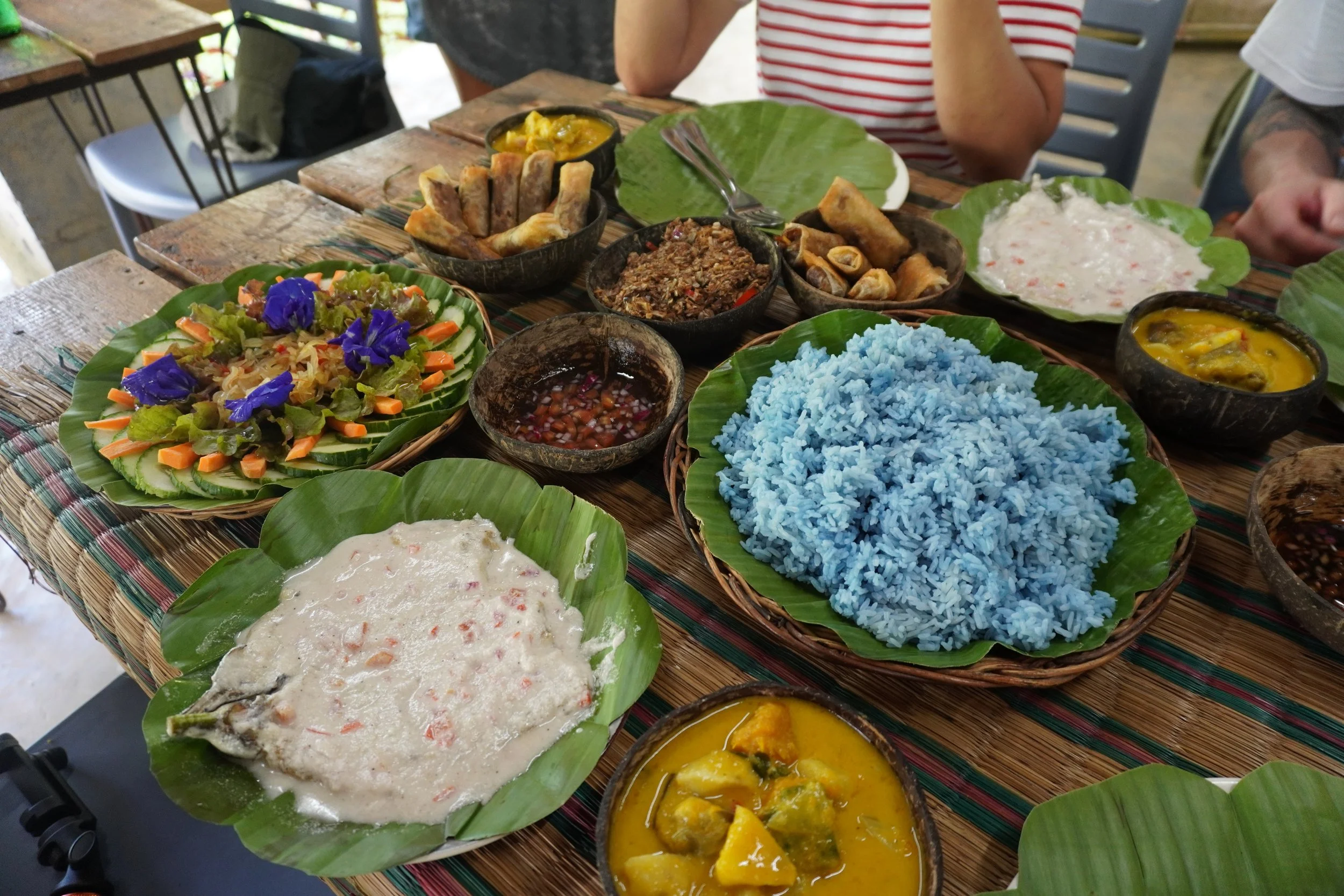
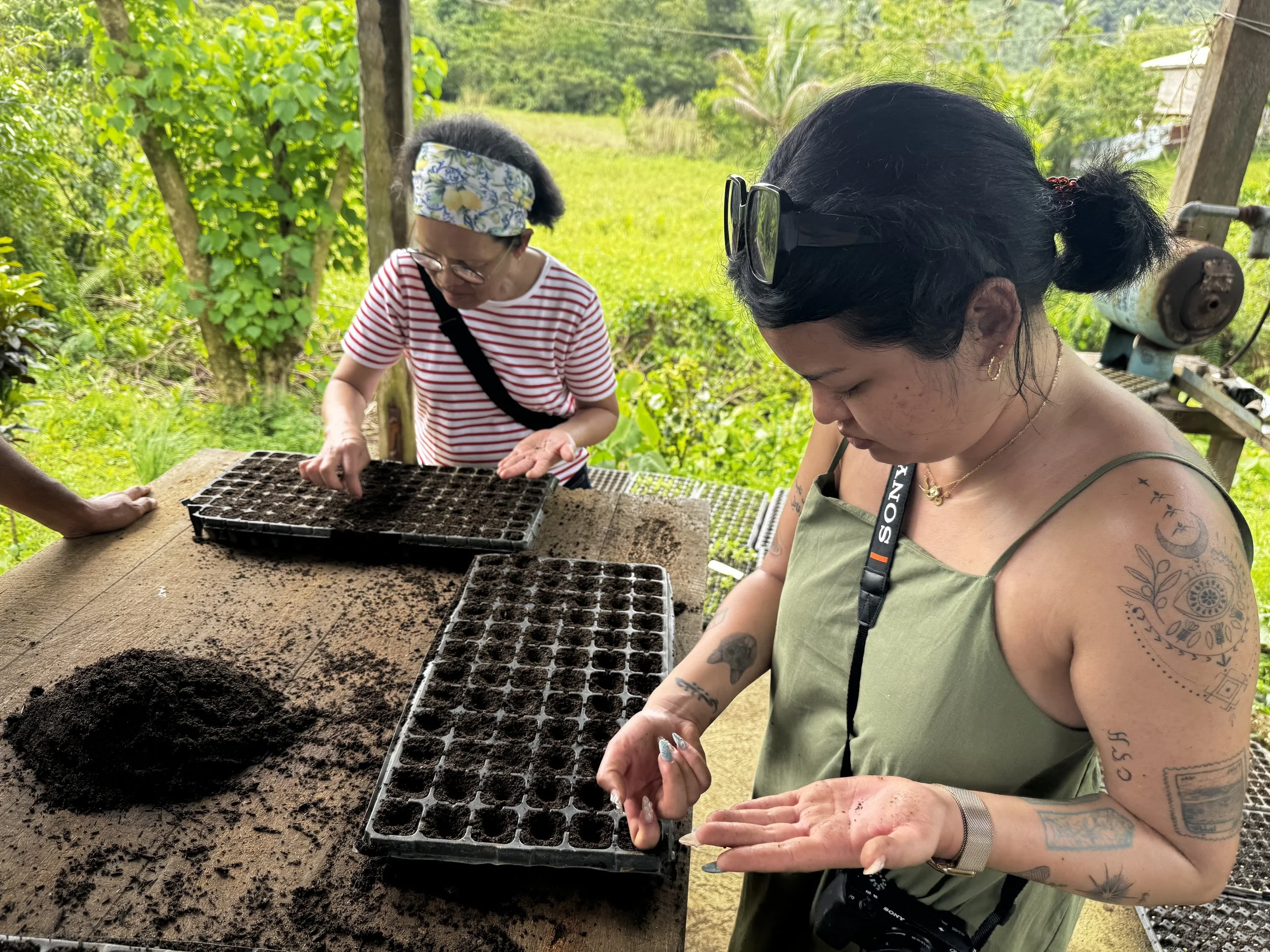
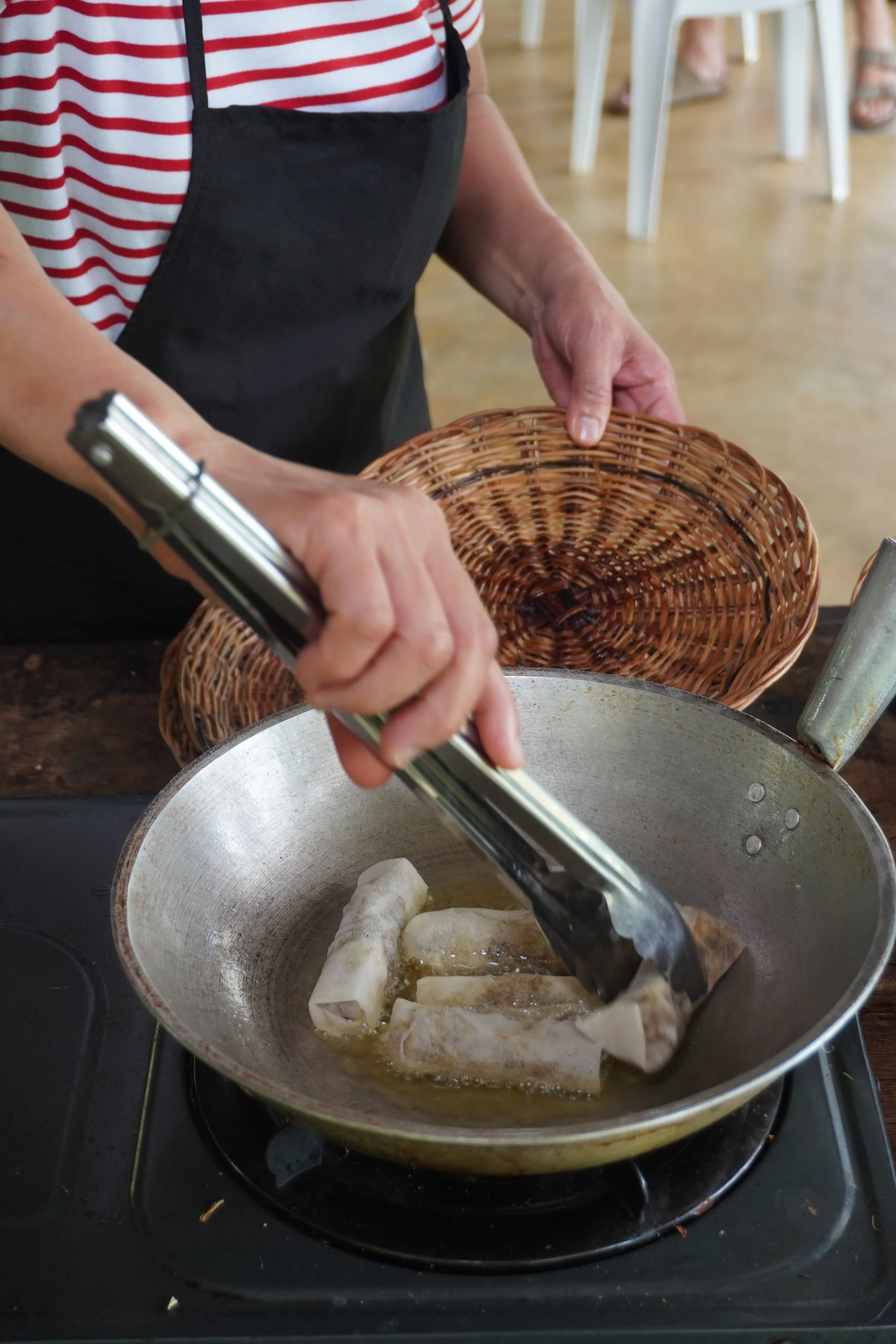
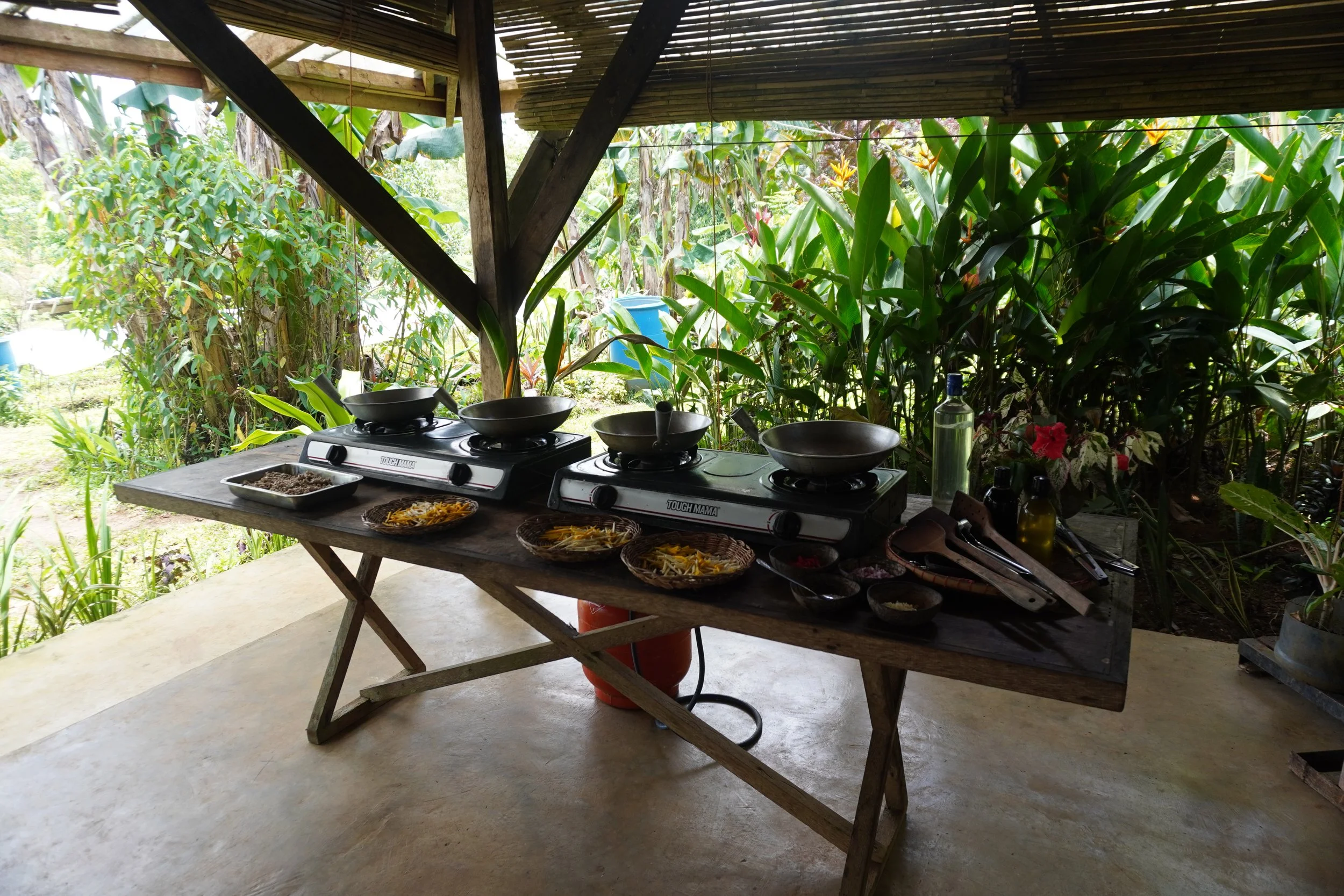
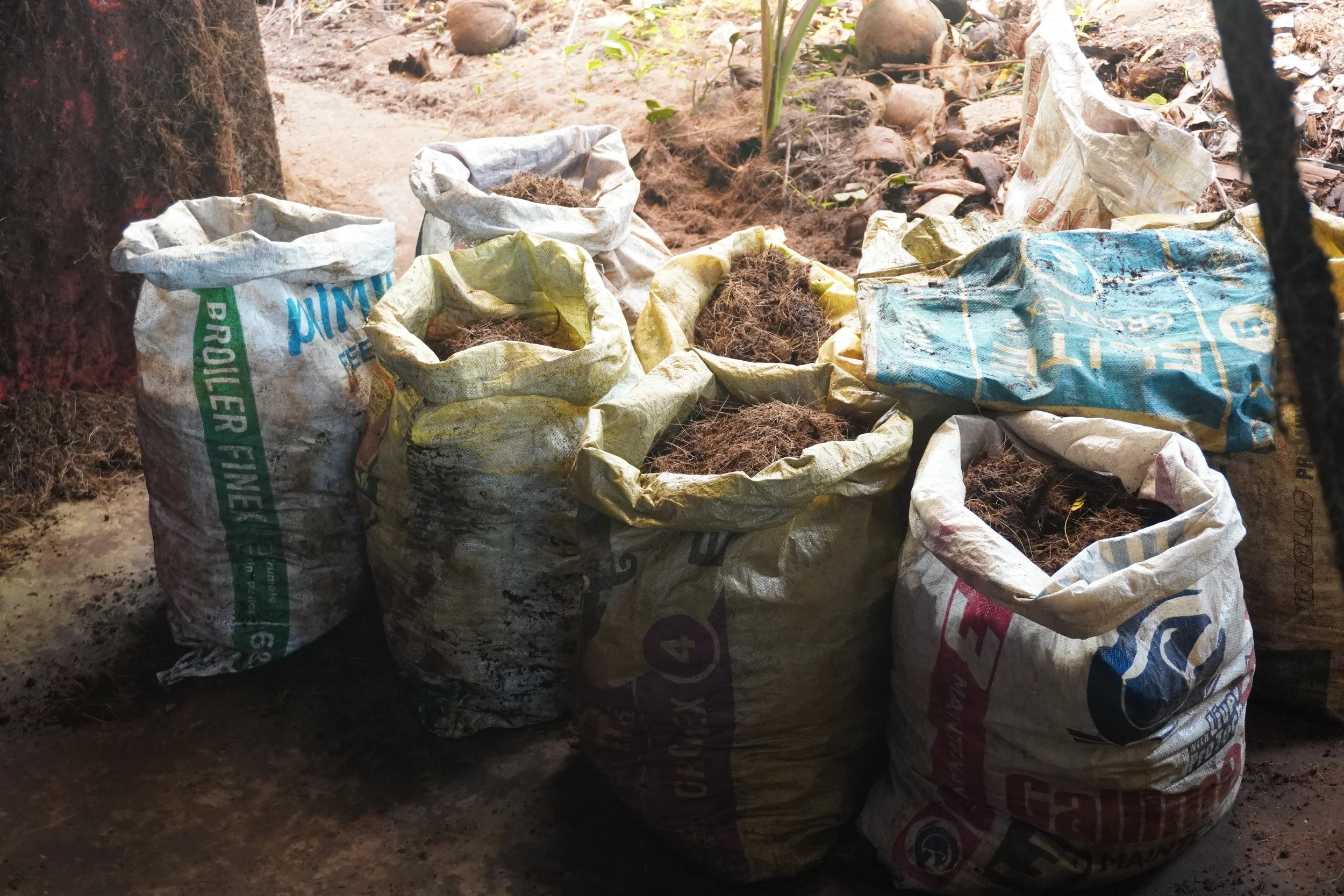
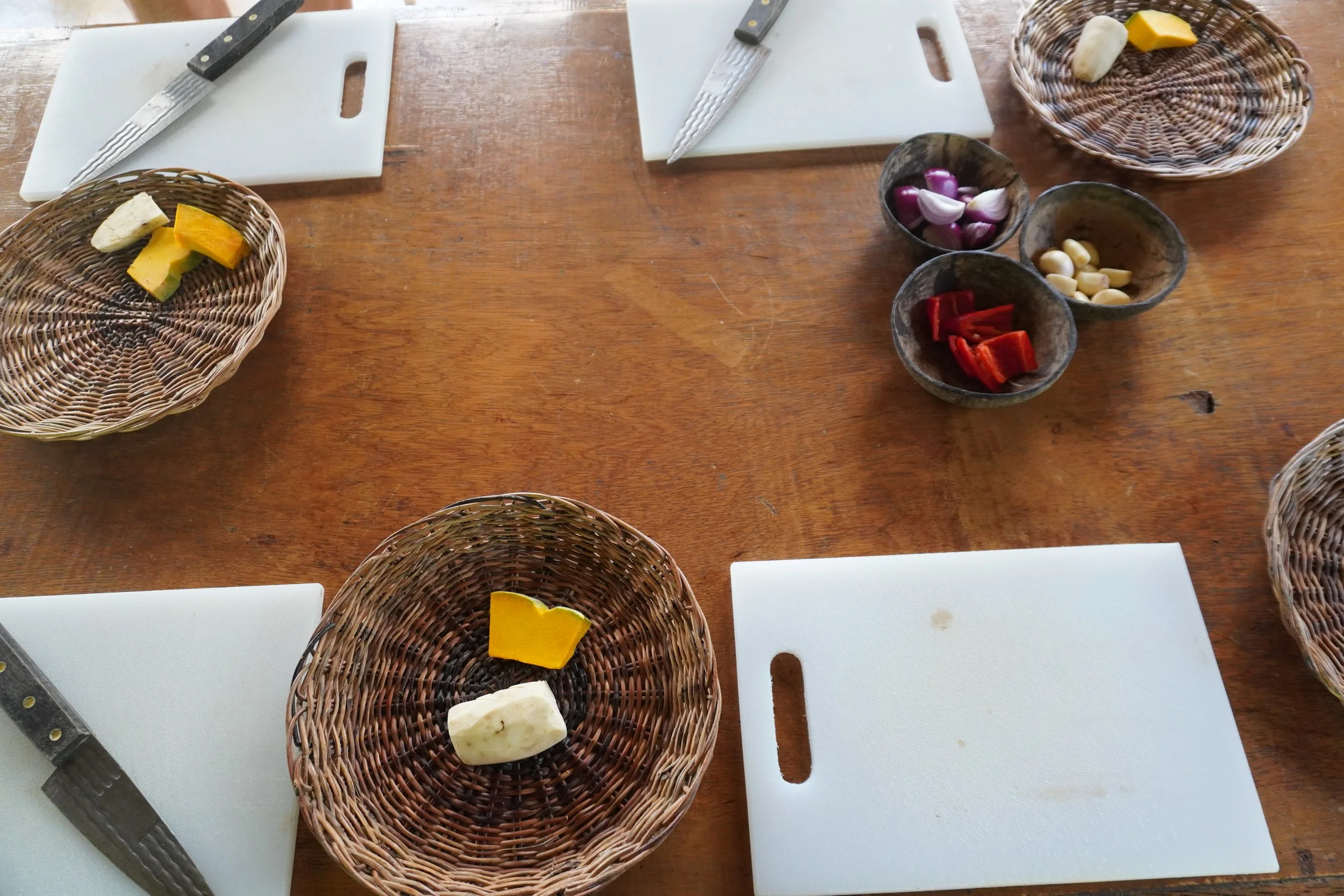
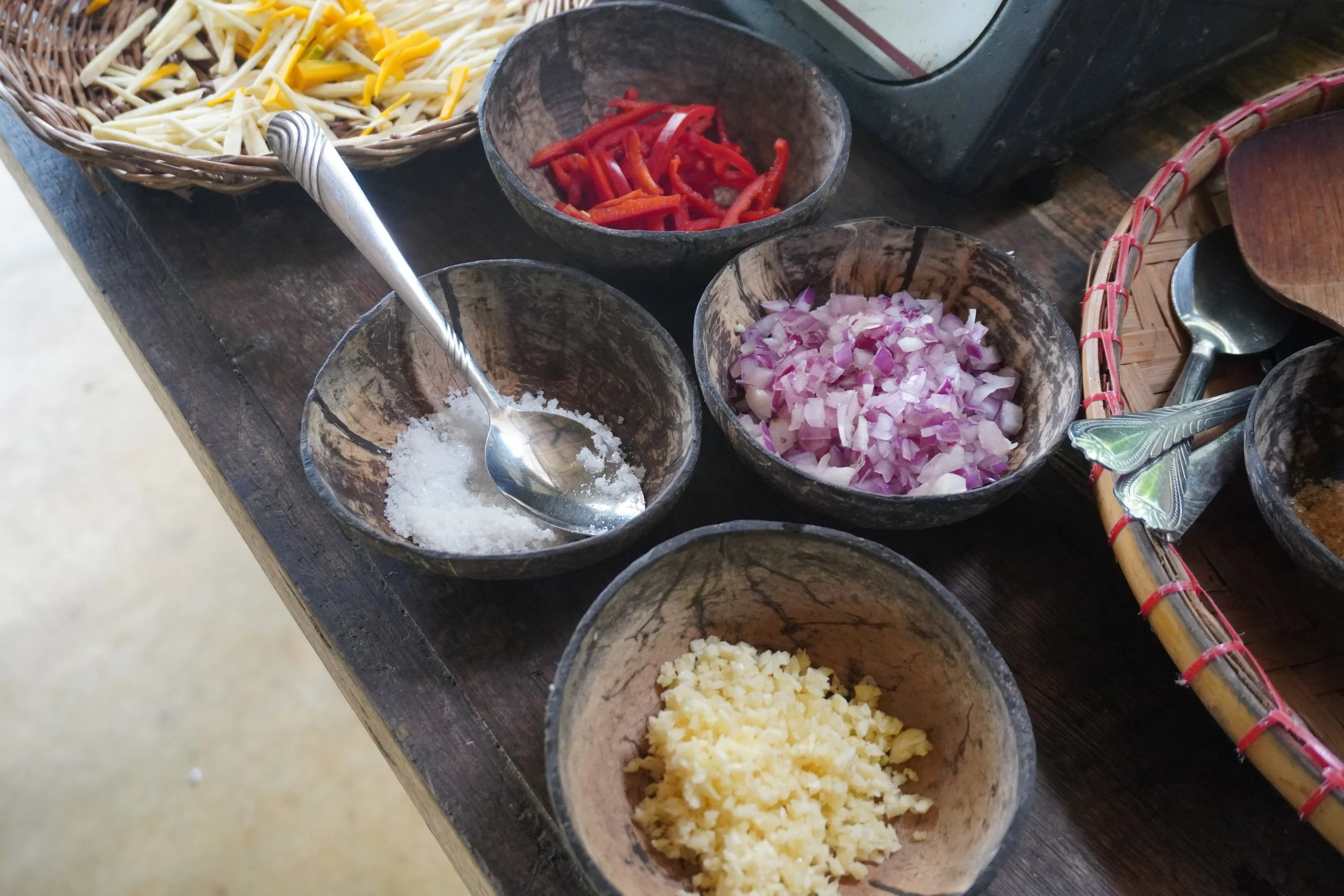
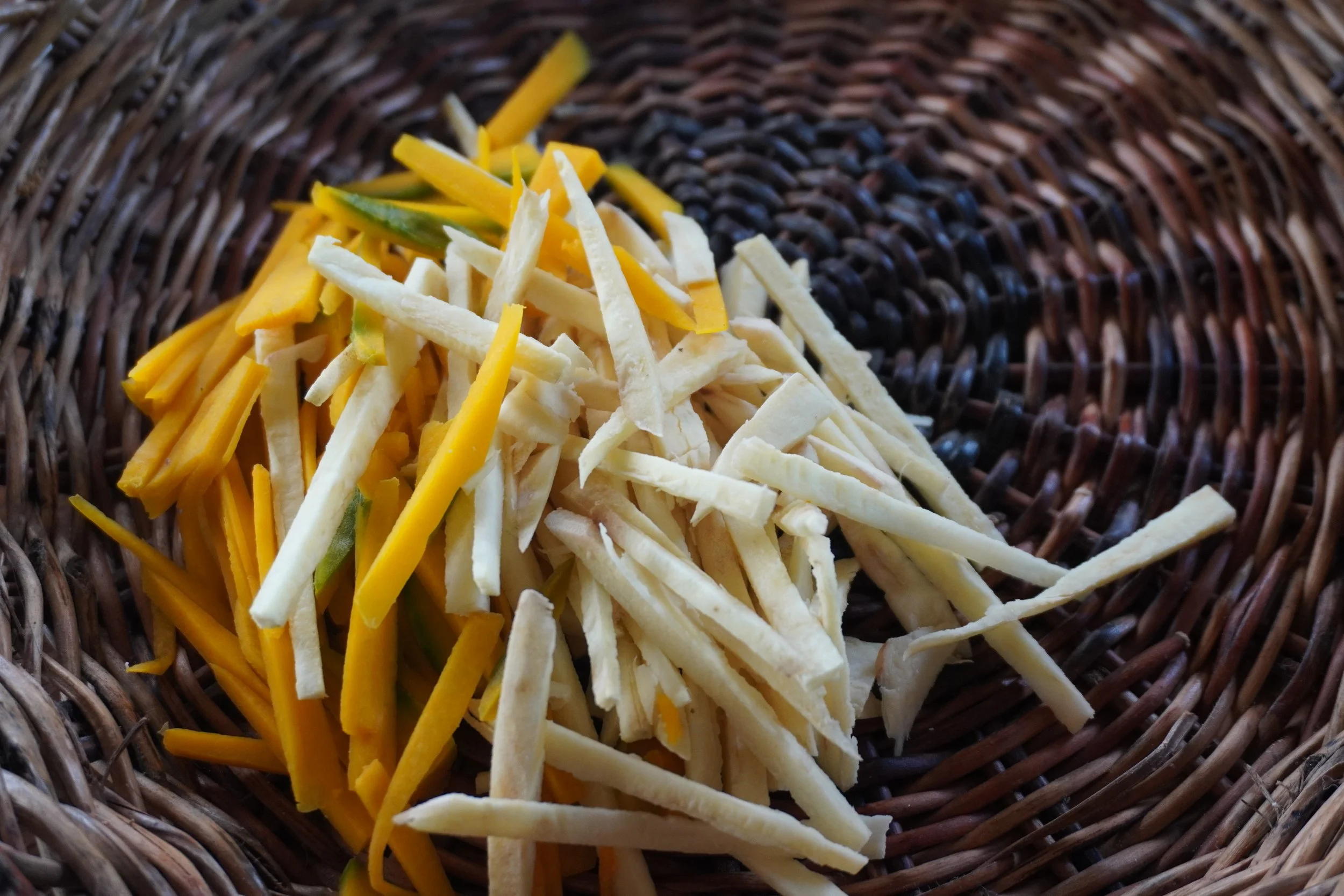
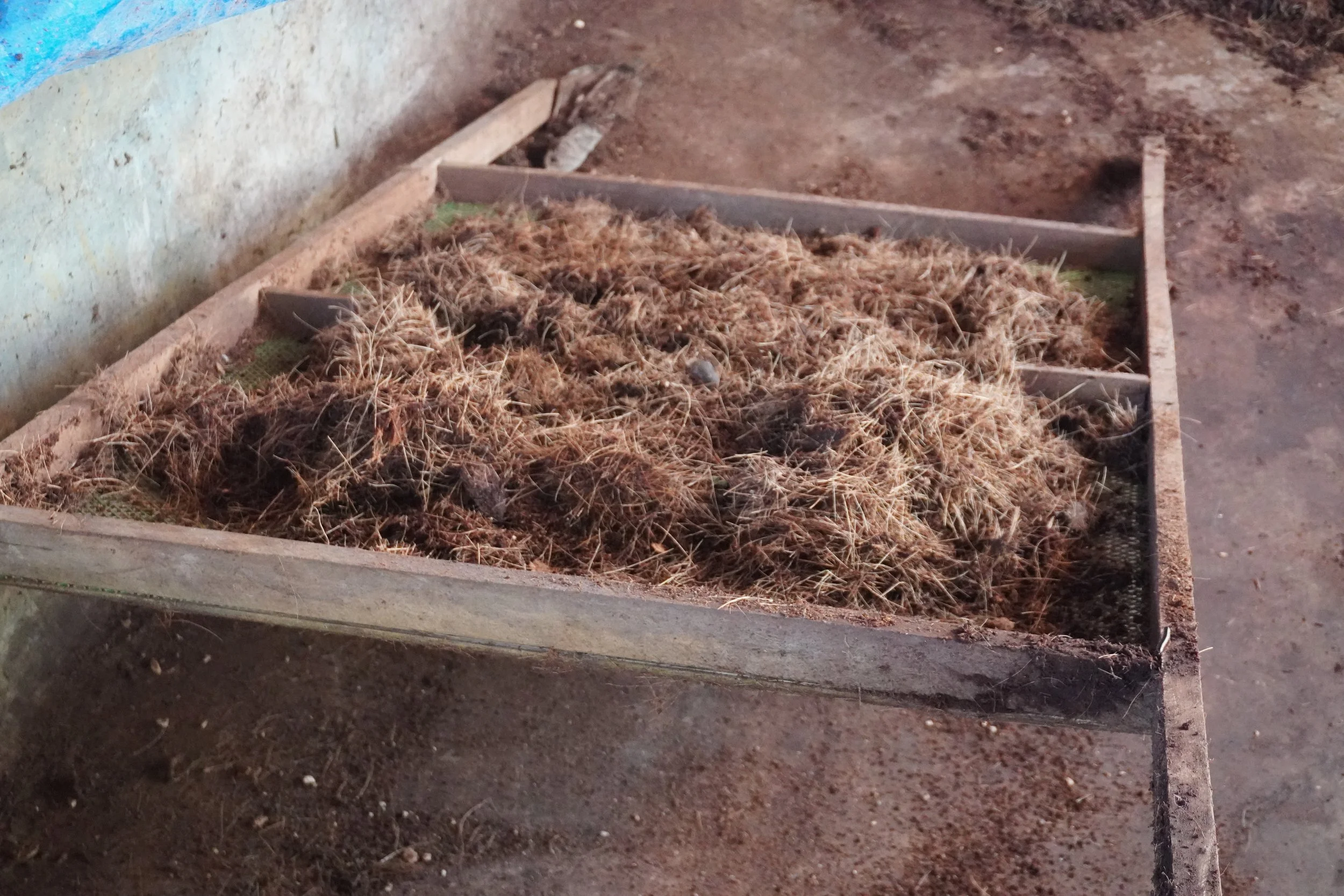
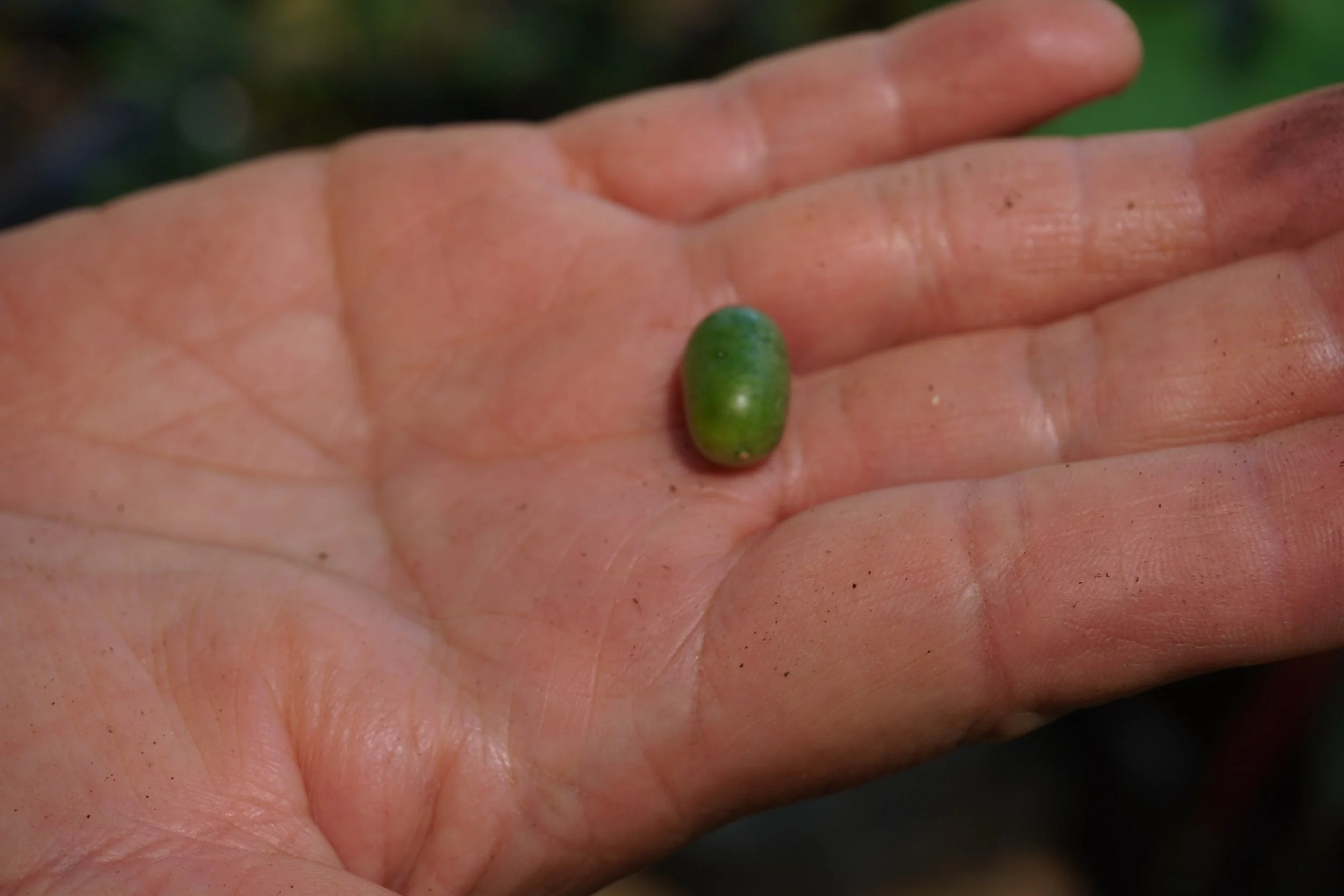
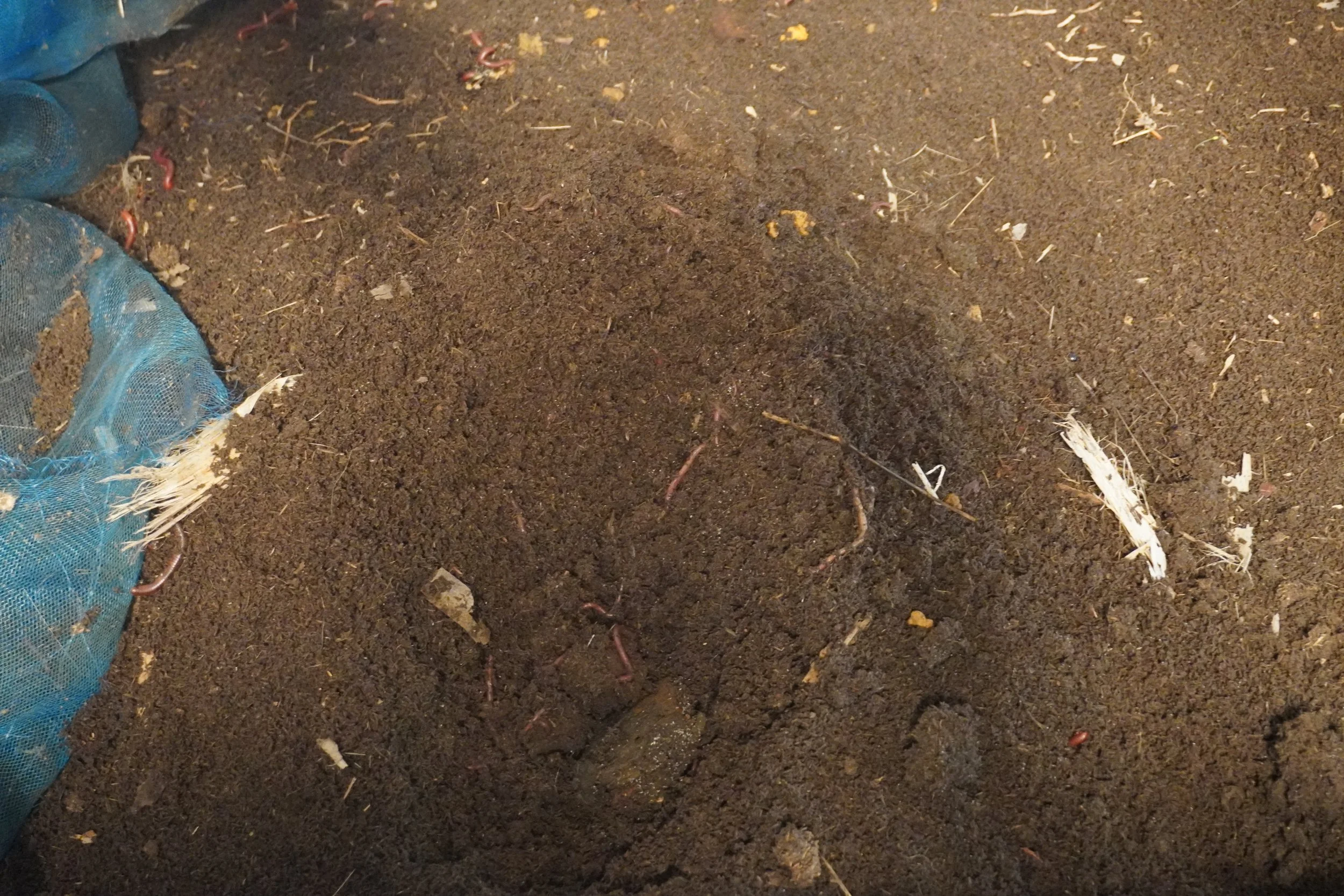
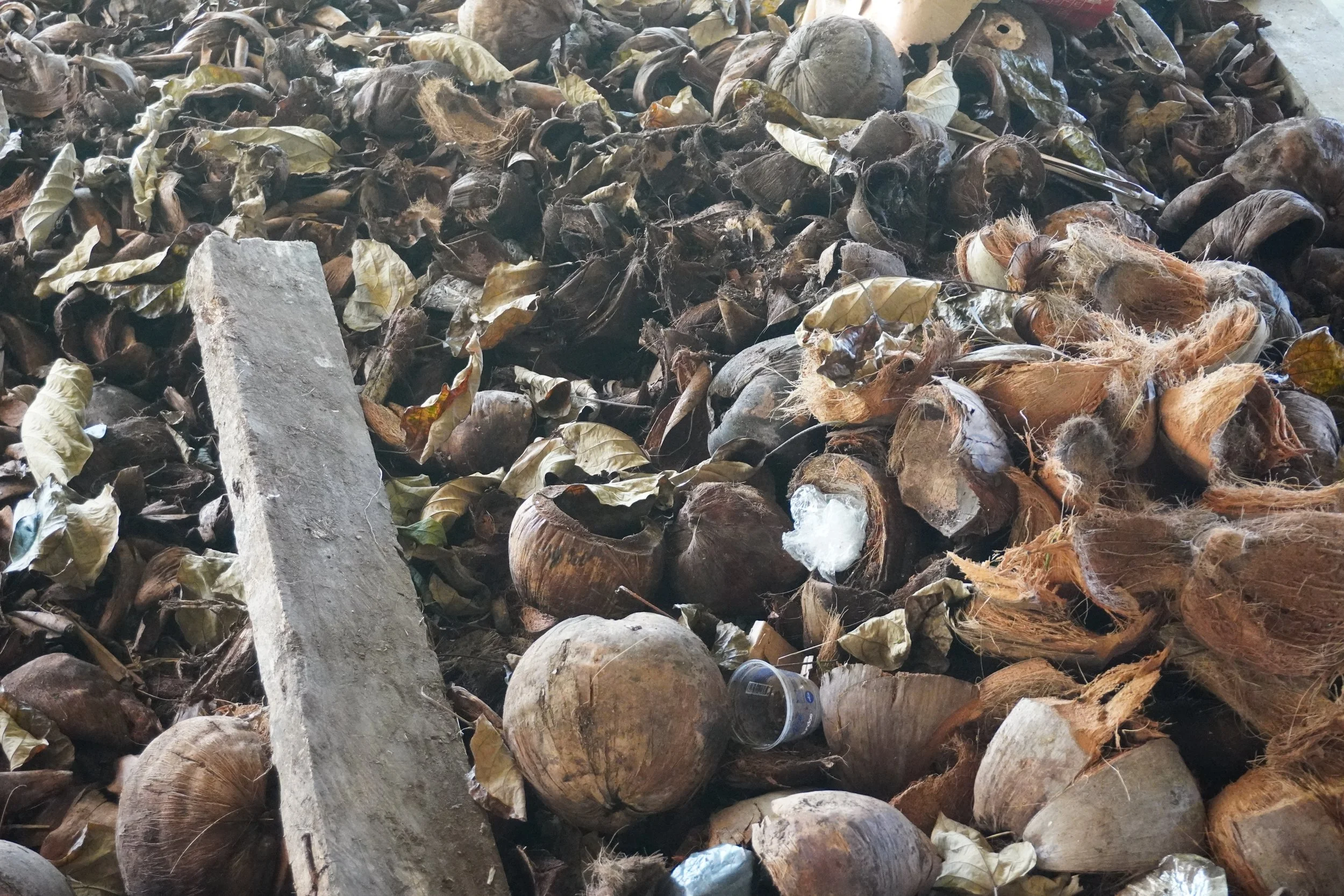
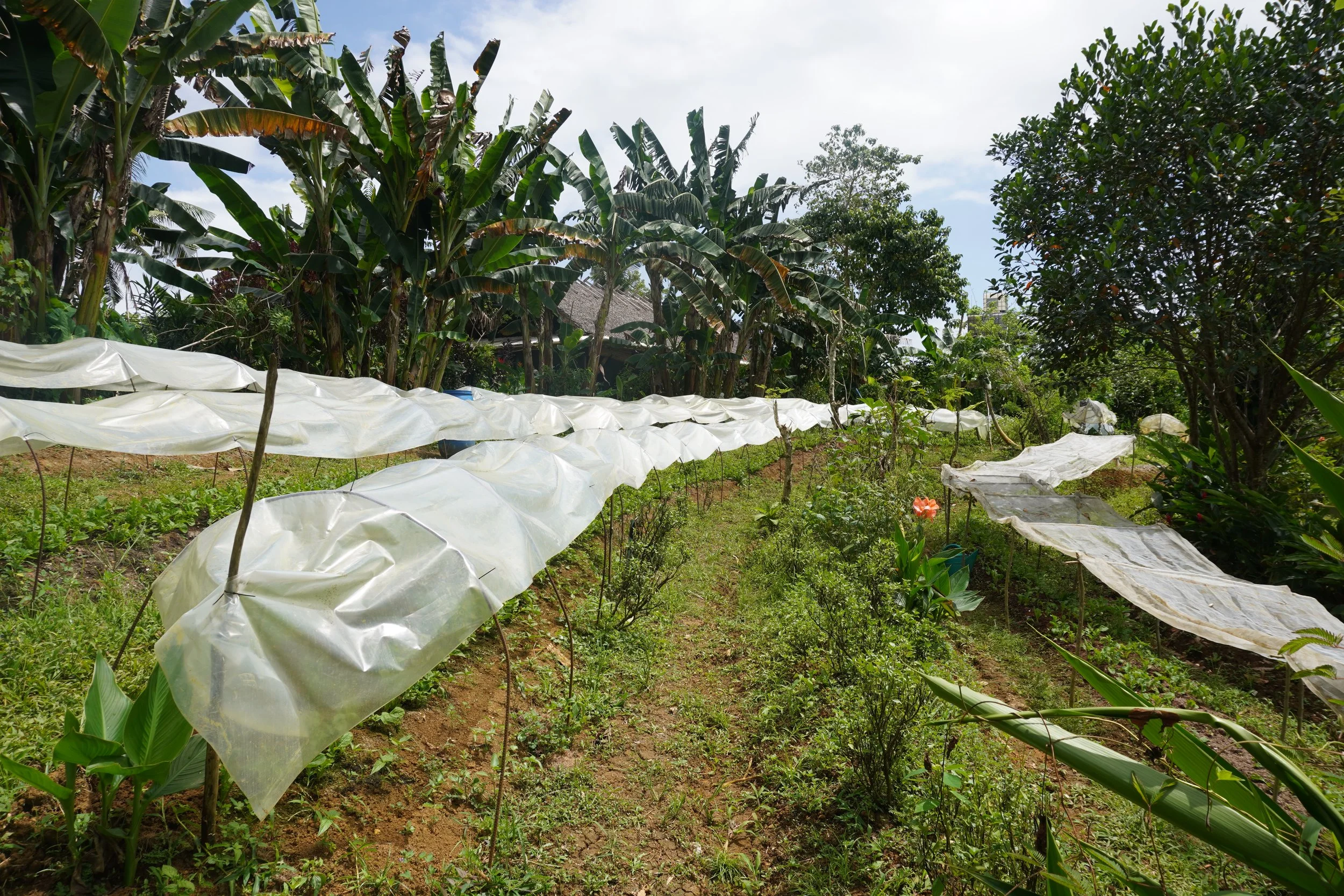
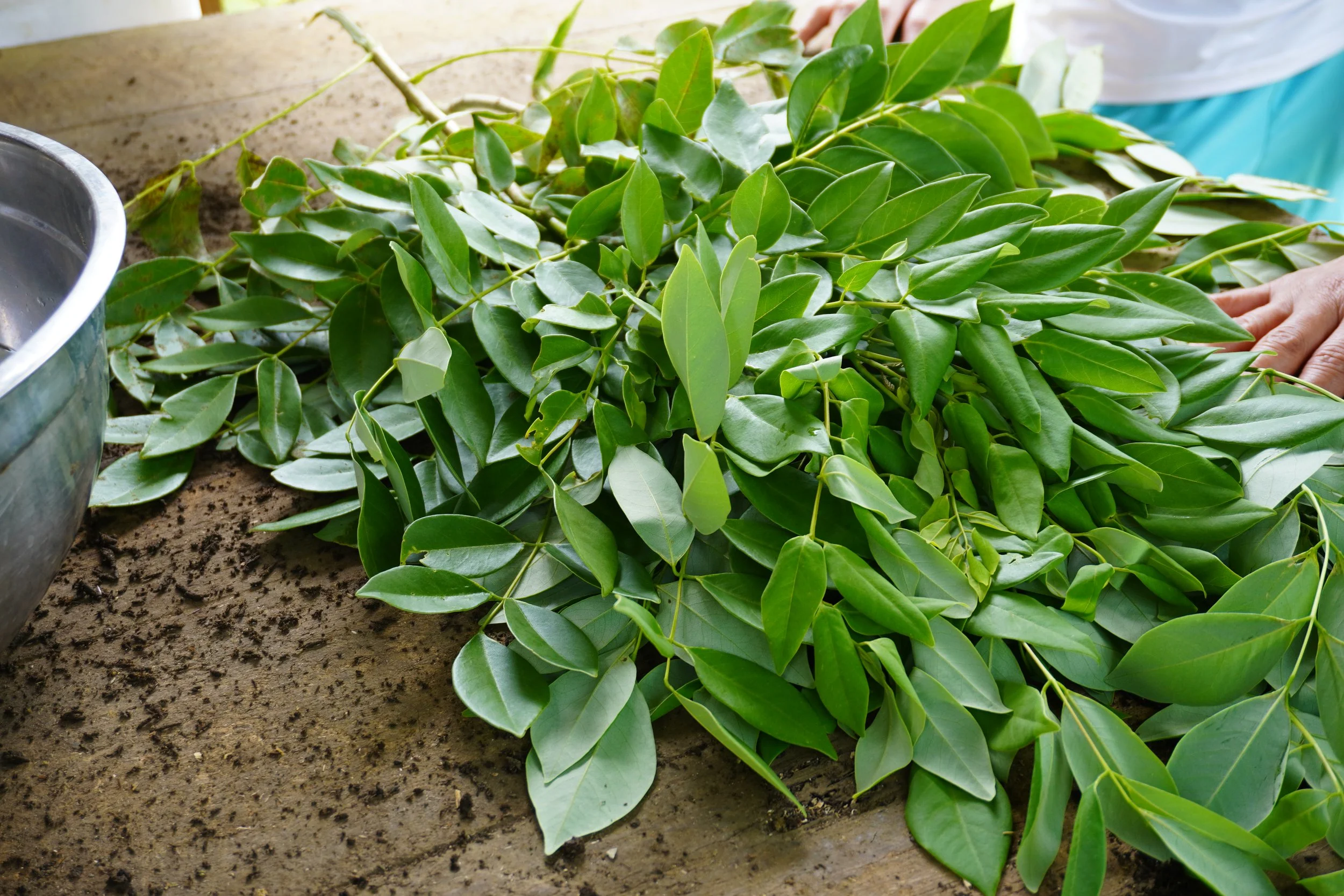
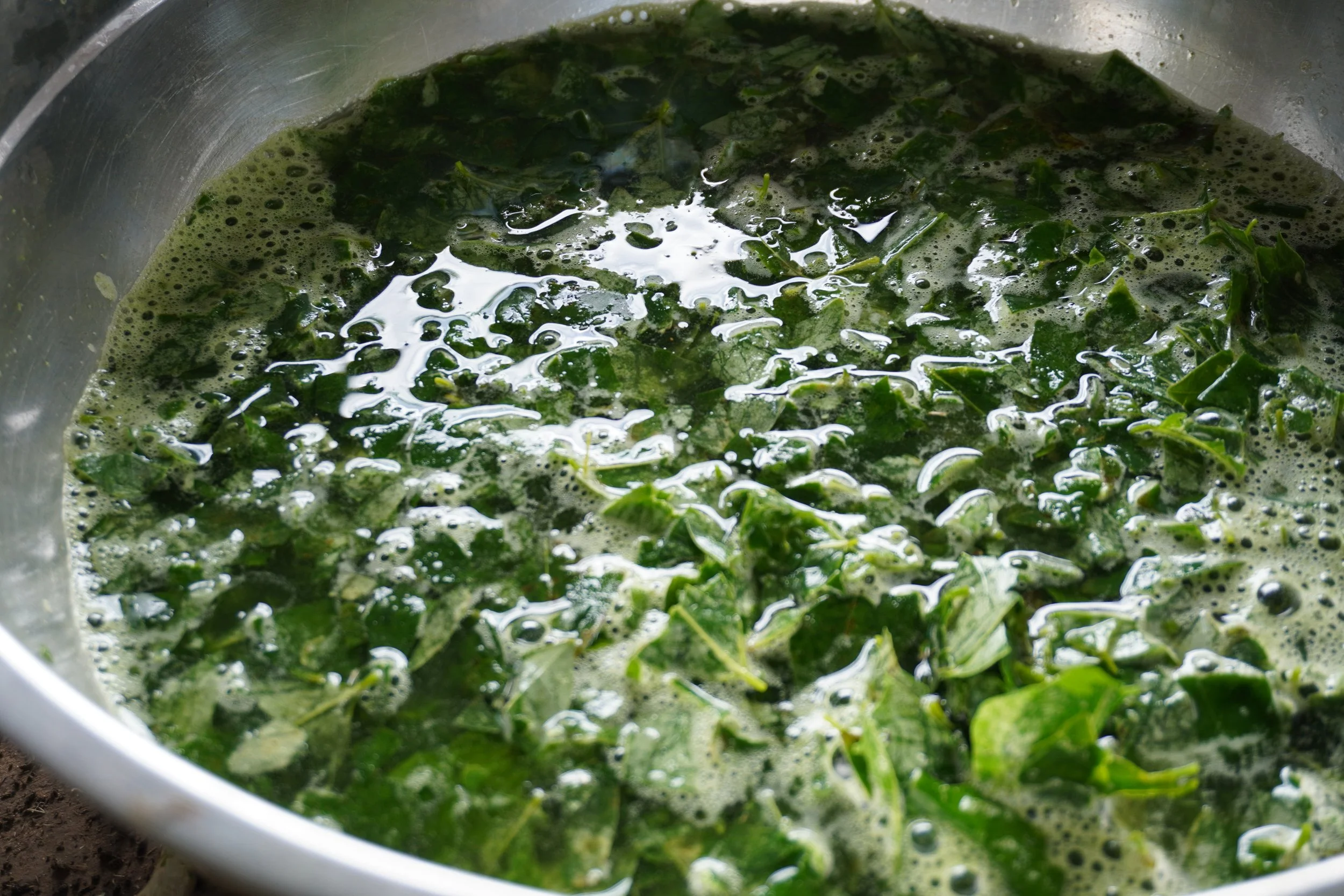
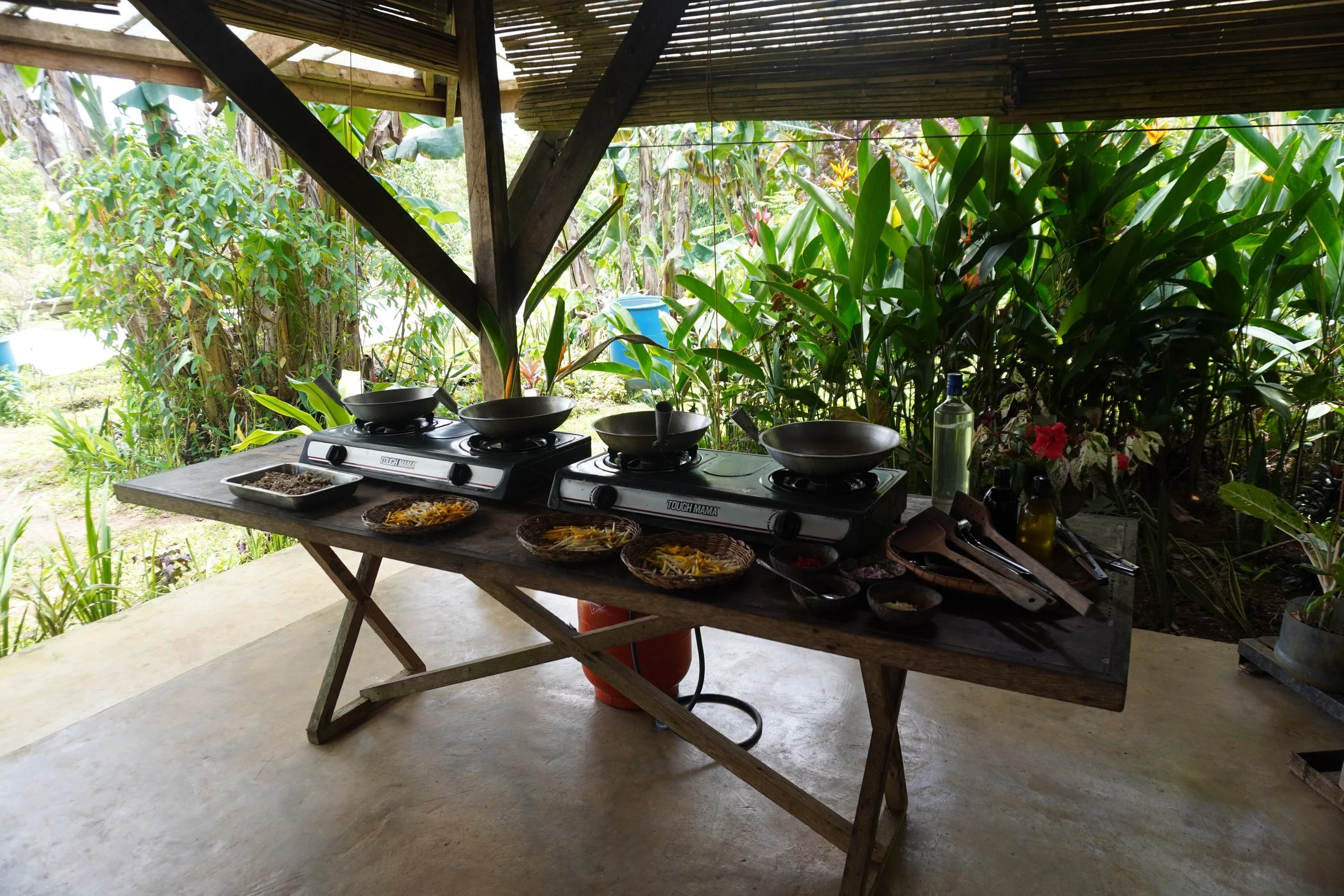
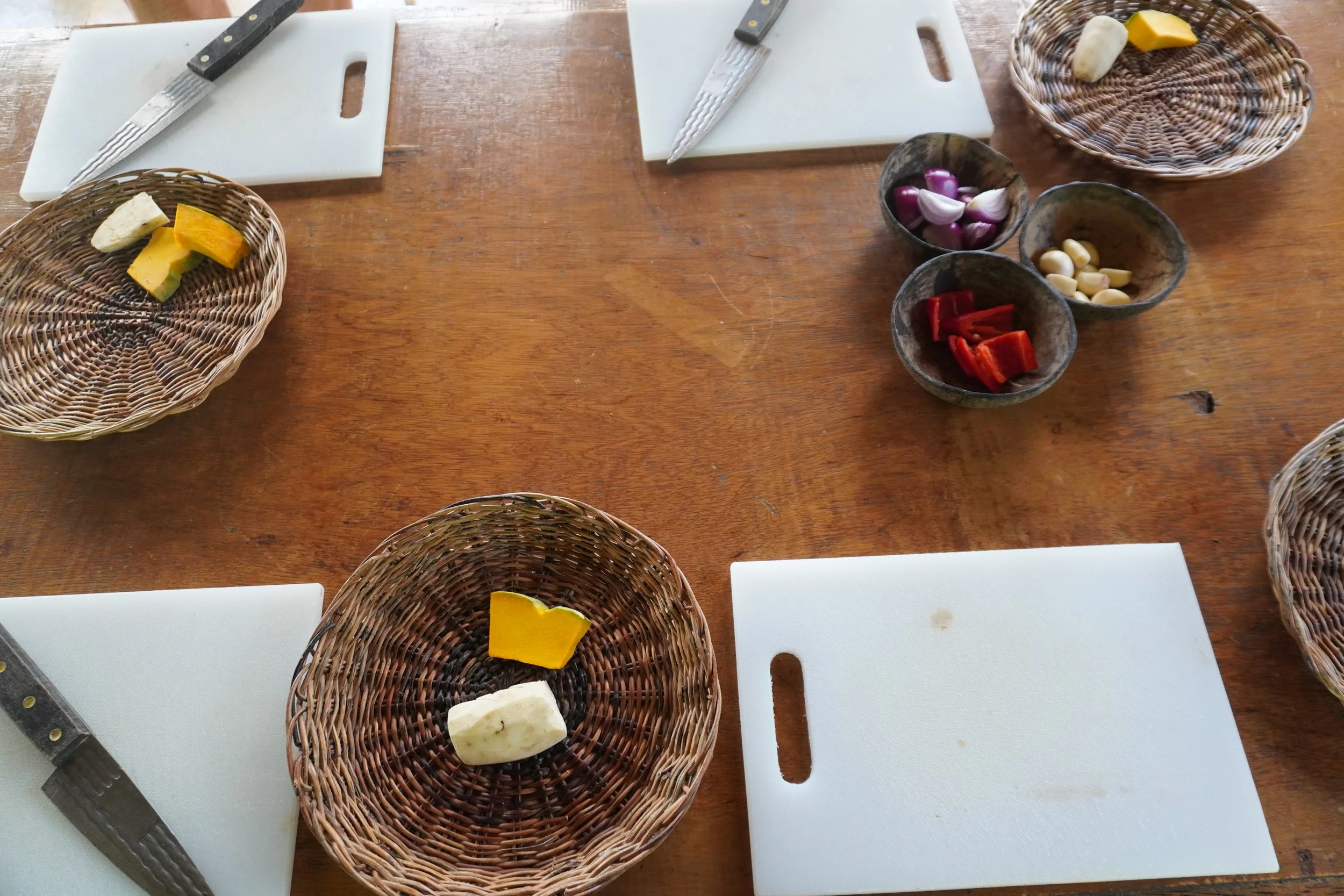
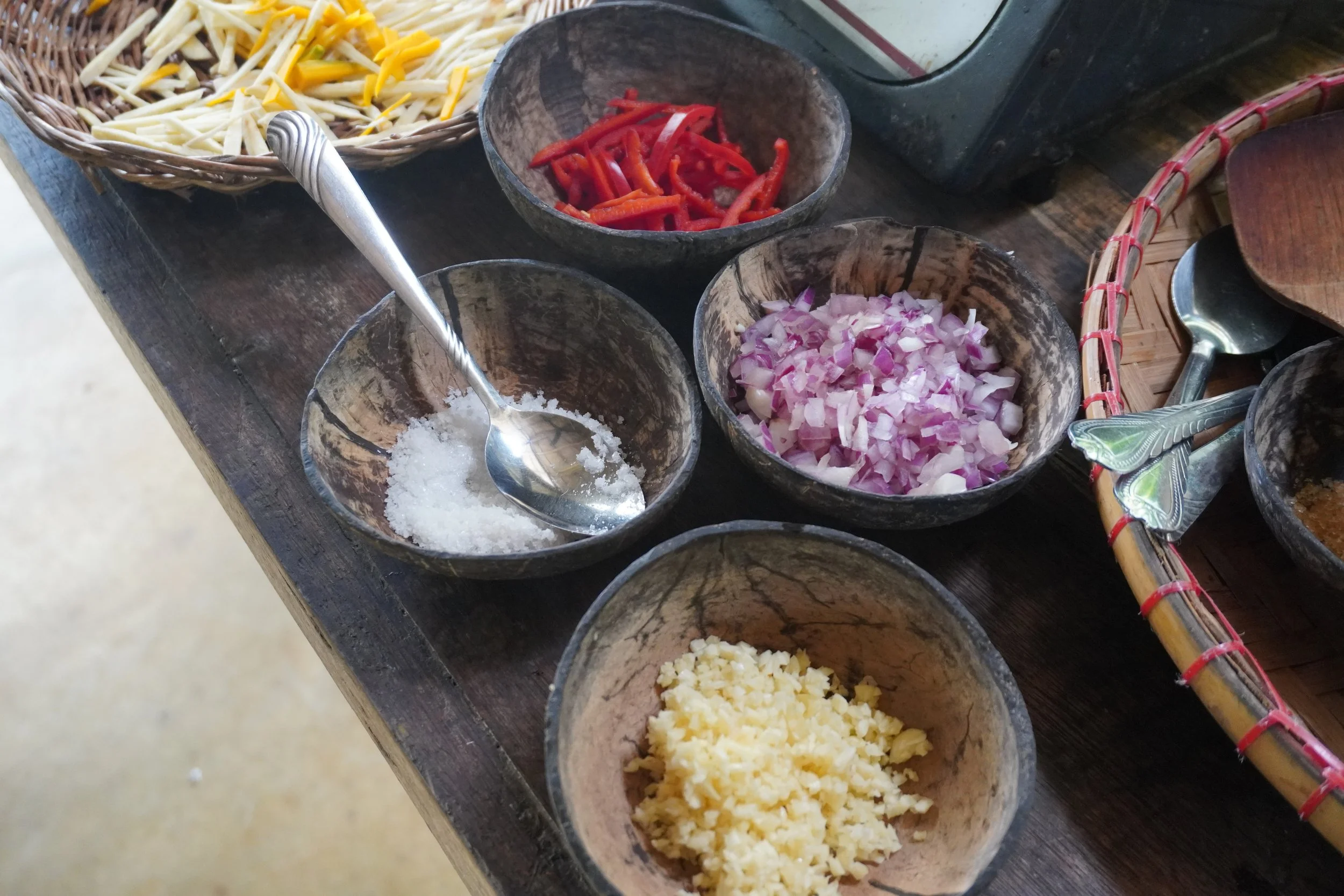
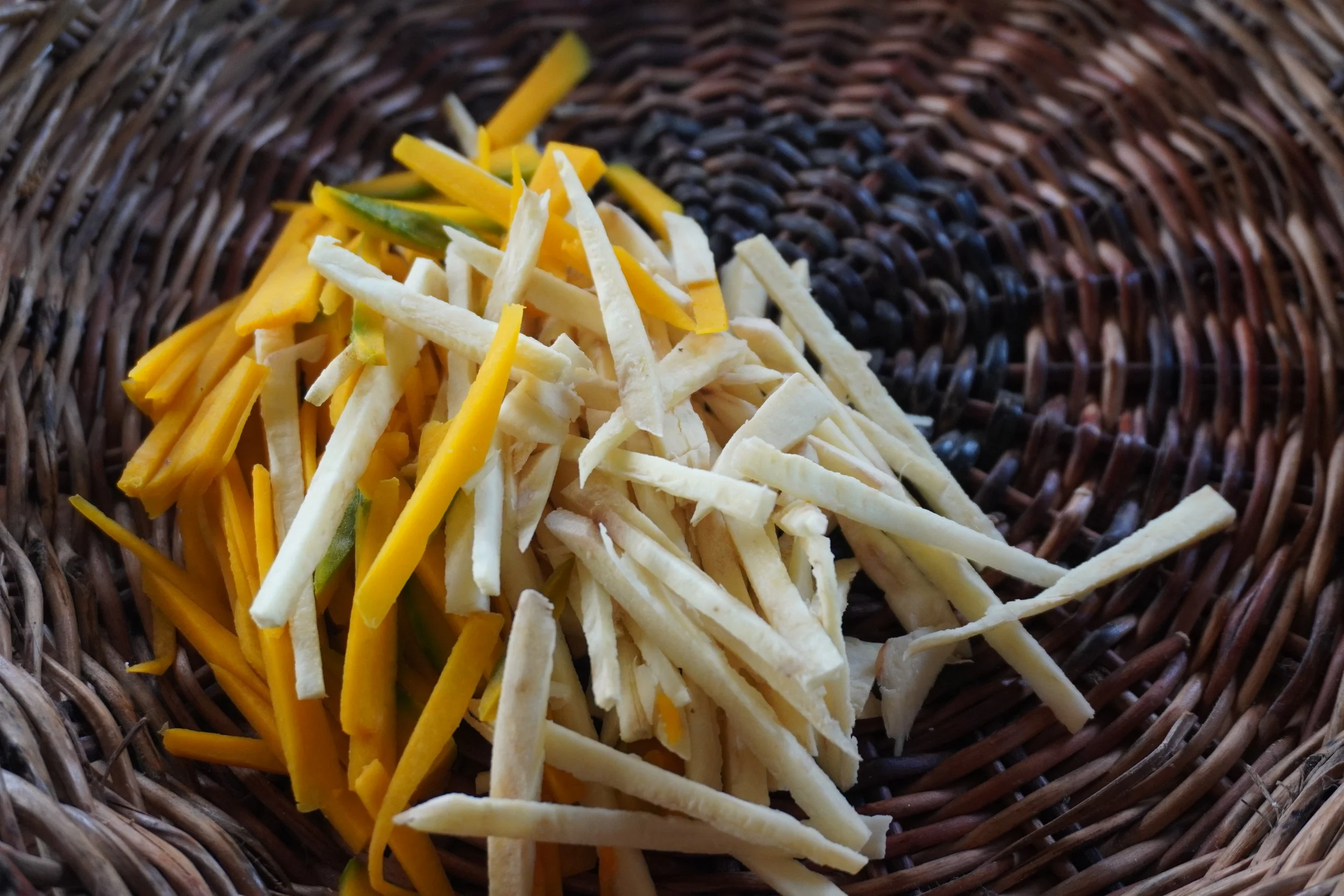
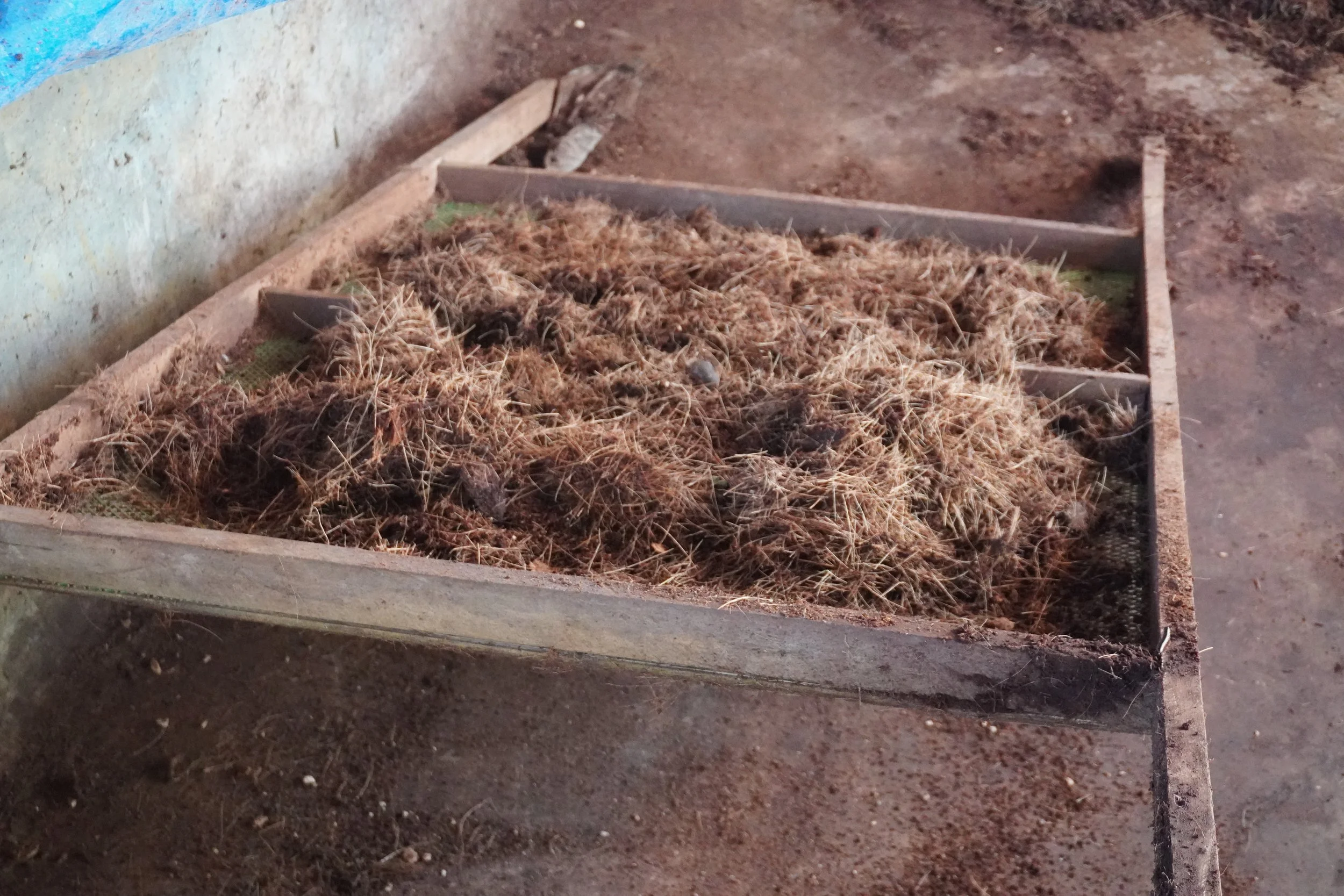
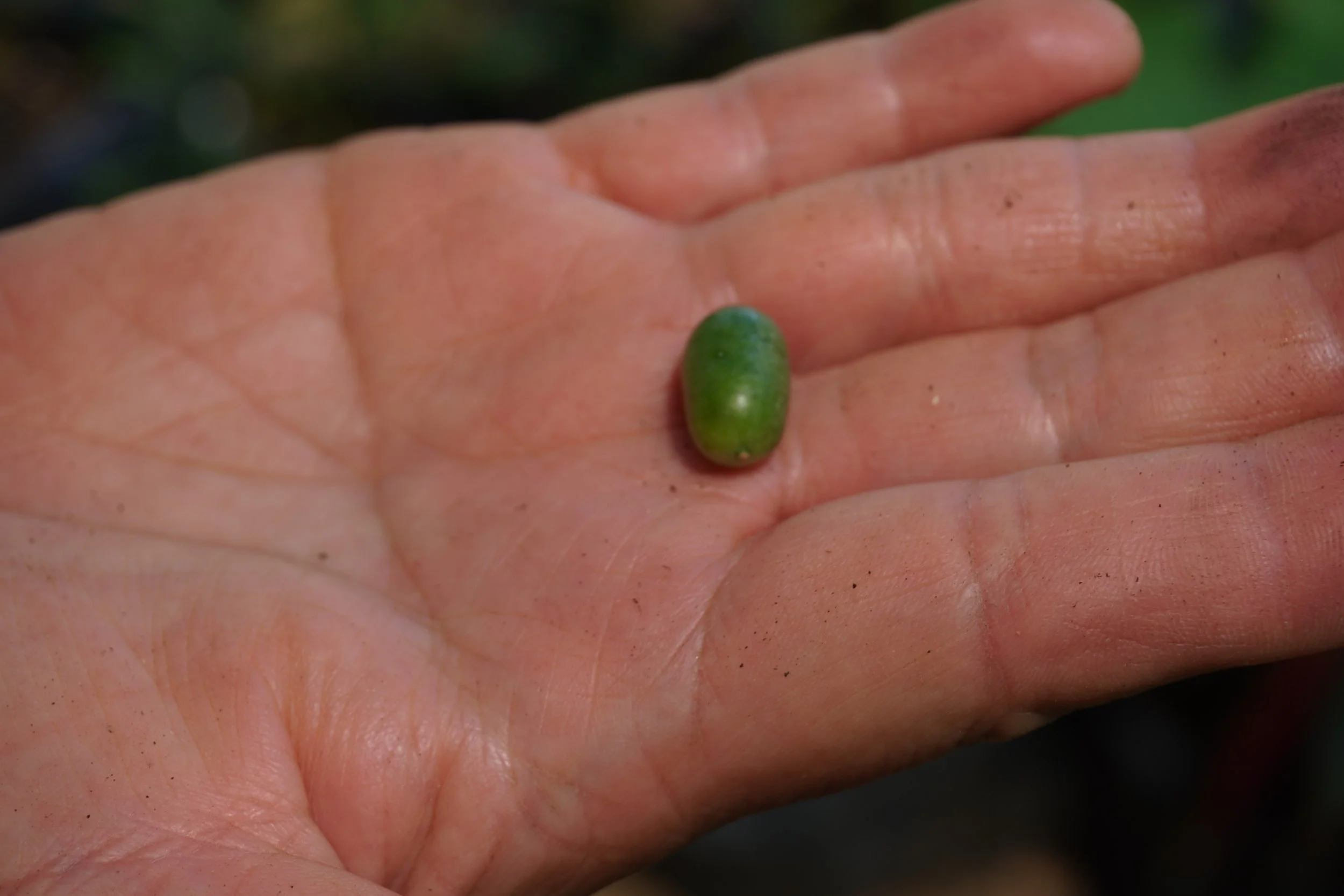
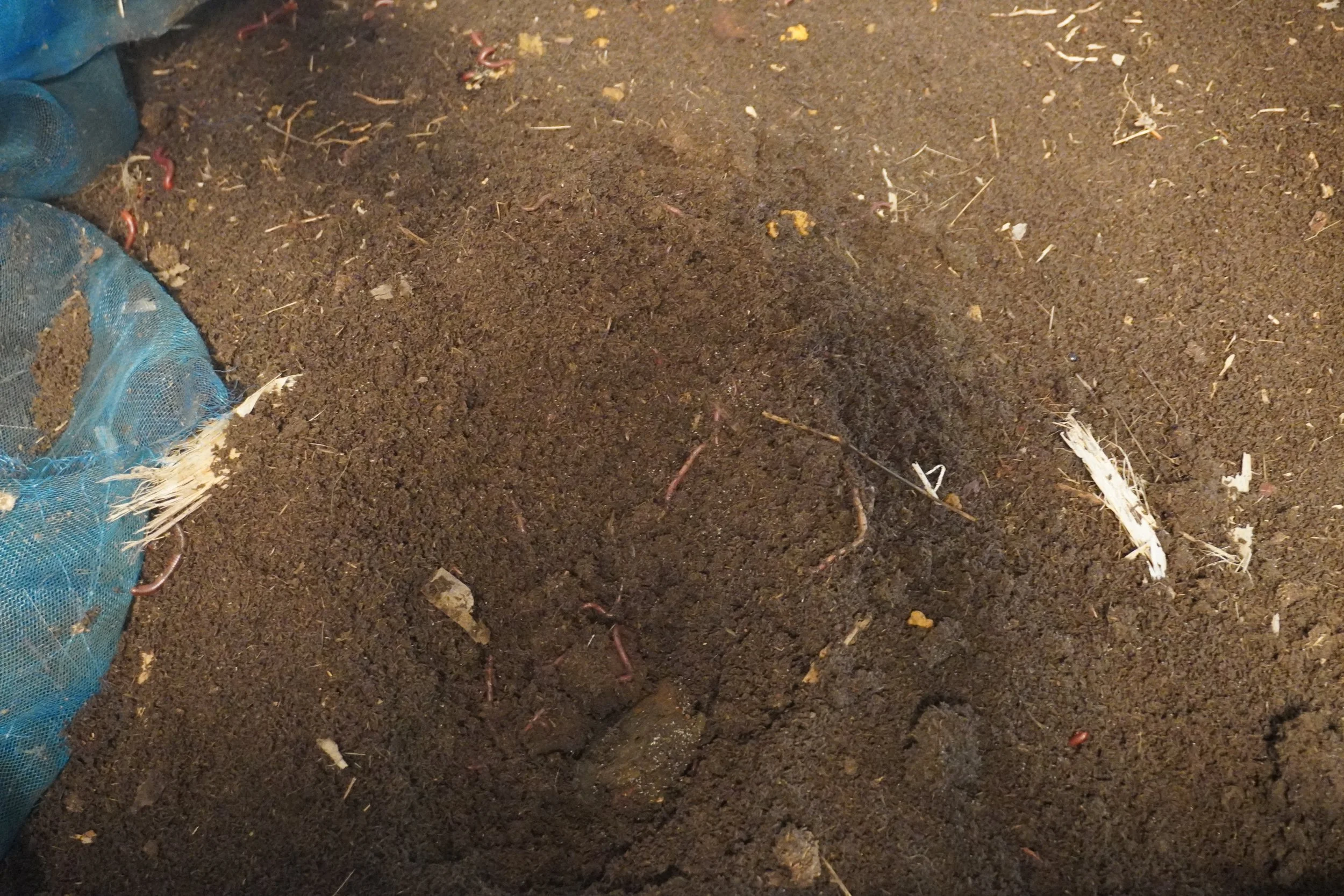
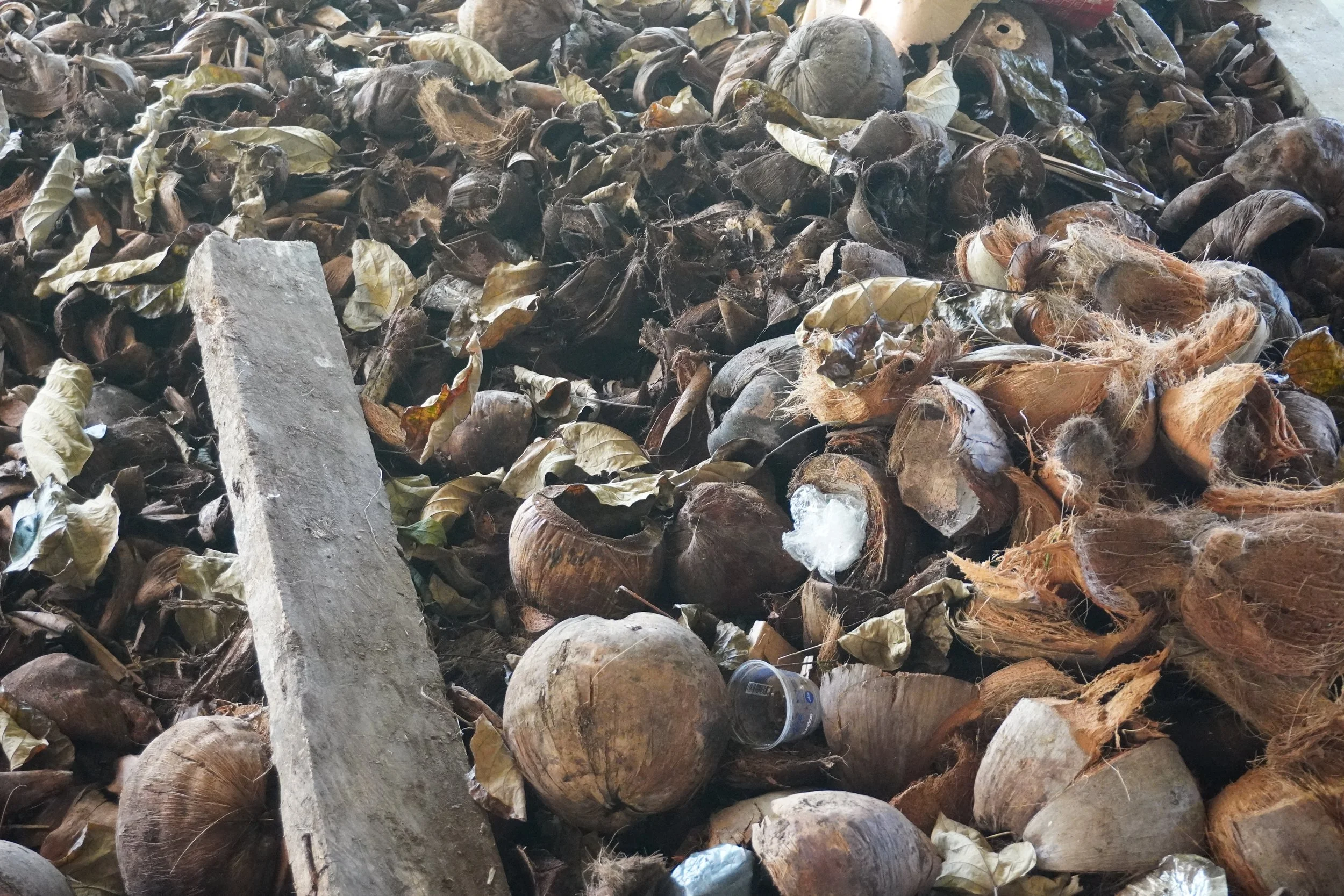
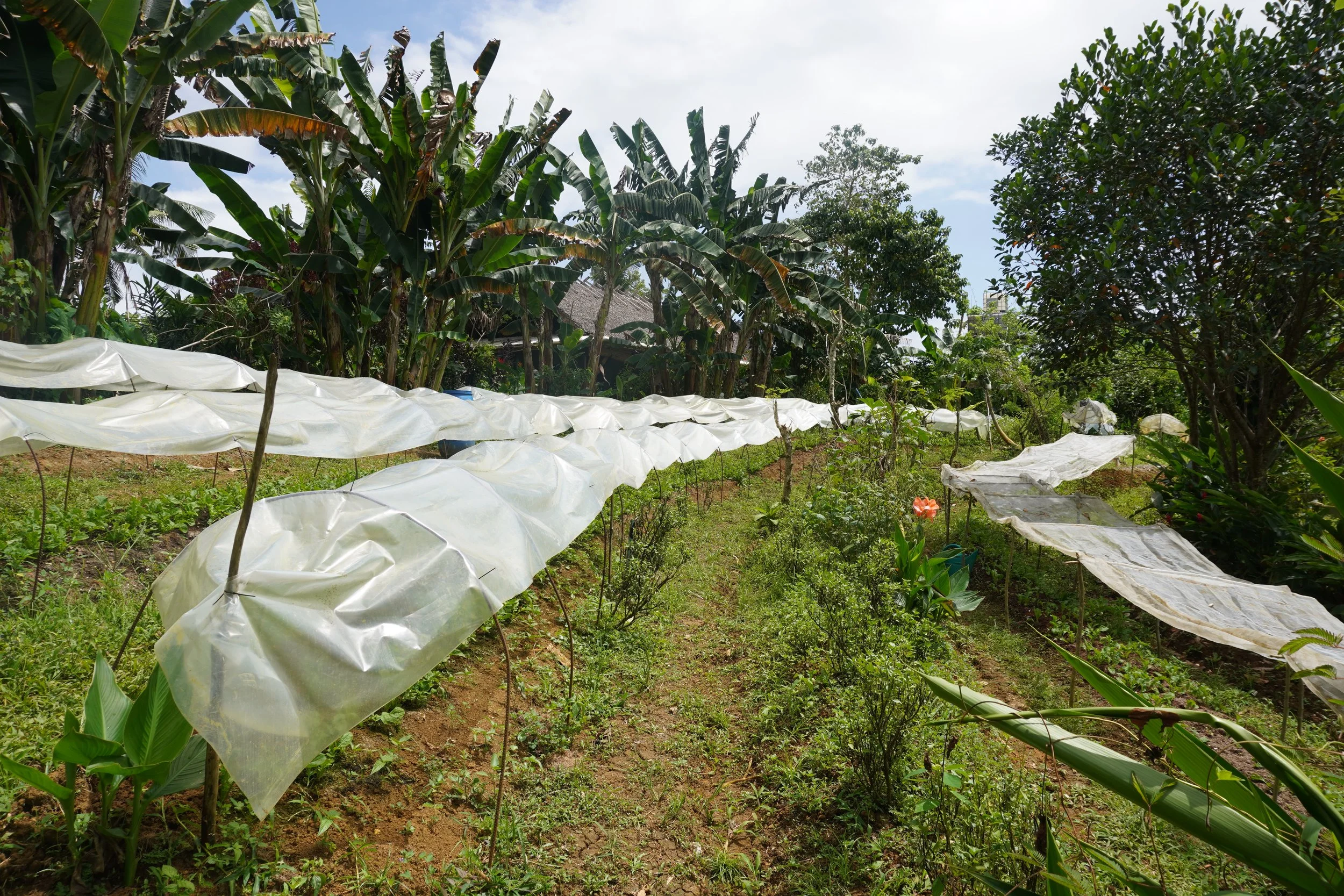
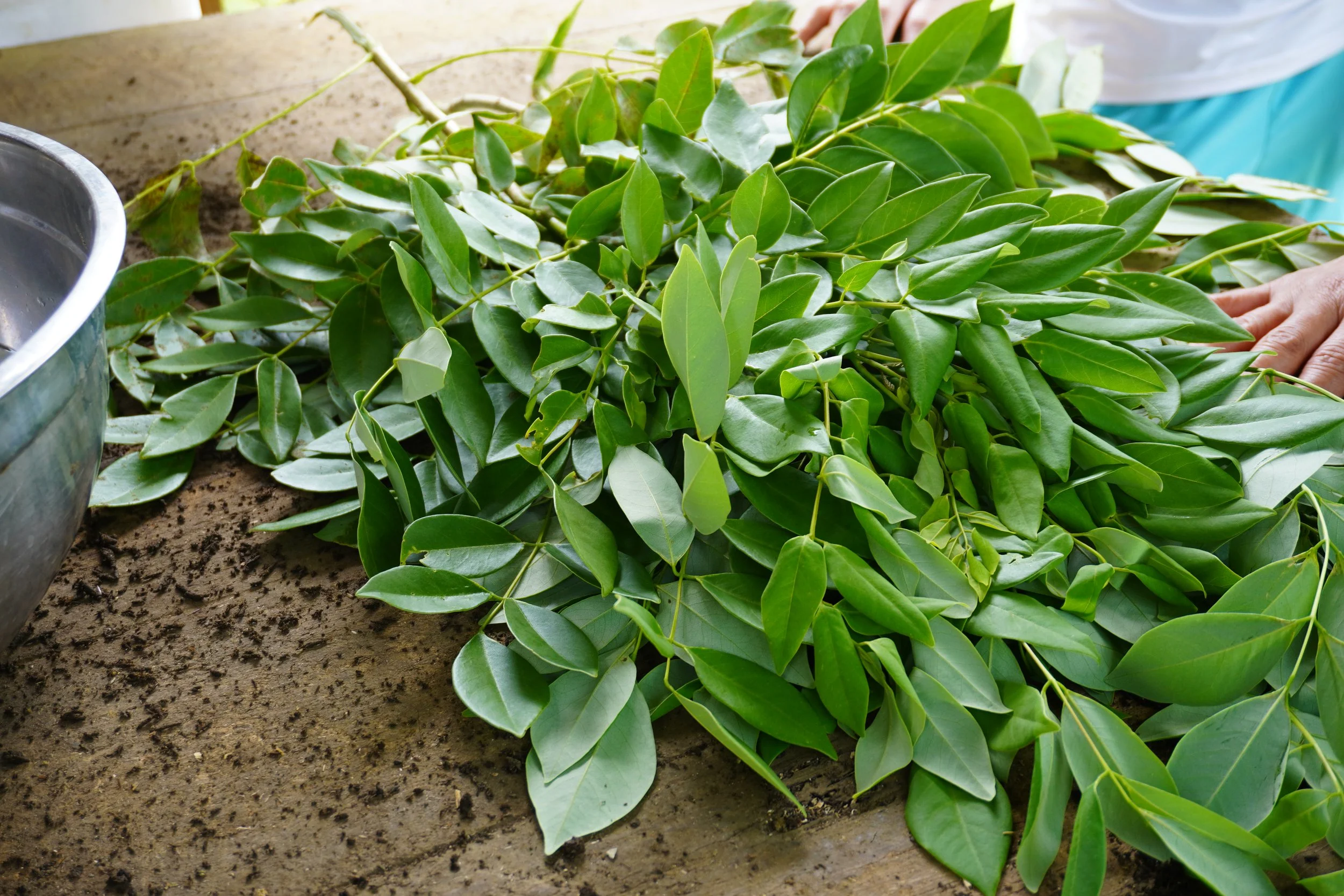
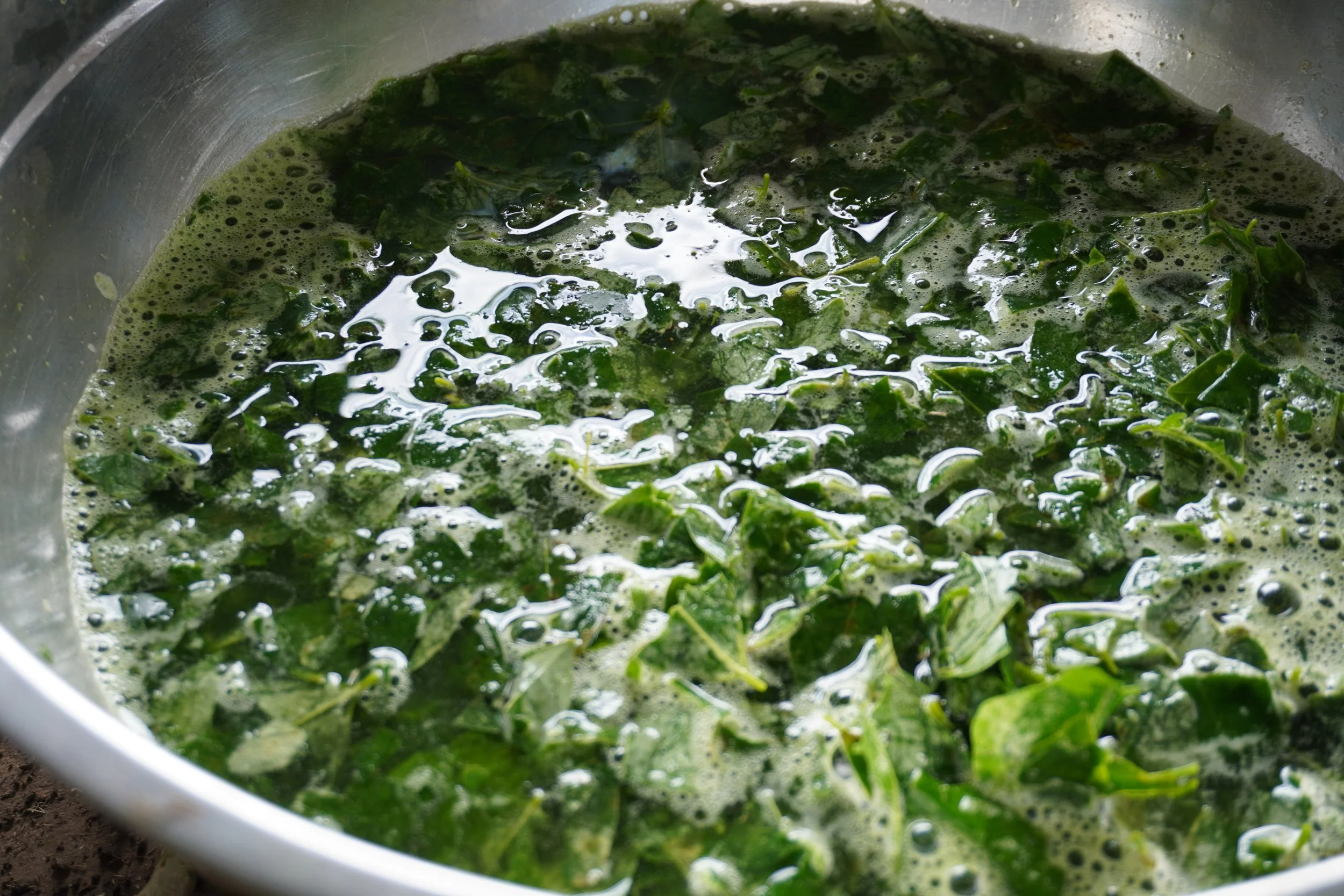
We were greeted by Kuya Chris, one of the farmers, who walked us through the land—from compost systems to native species growing across the land. He taught us about the varieties of uses one plant can have: medicinal and even for washing clothes and brushing your teeth! We planted seeds in the garden before joining a vegan cooking class using ingredients harvested directly from the farm.
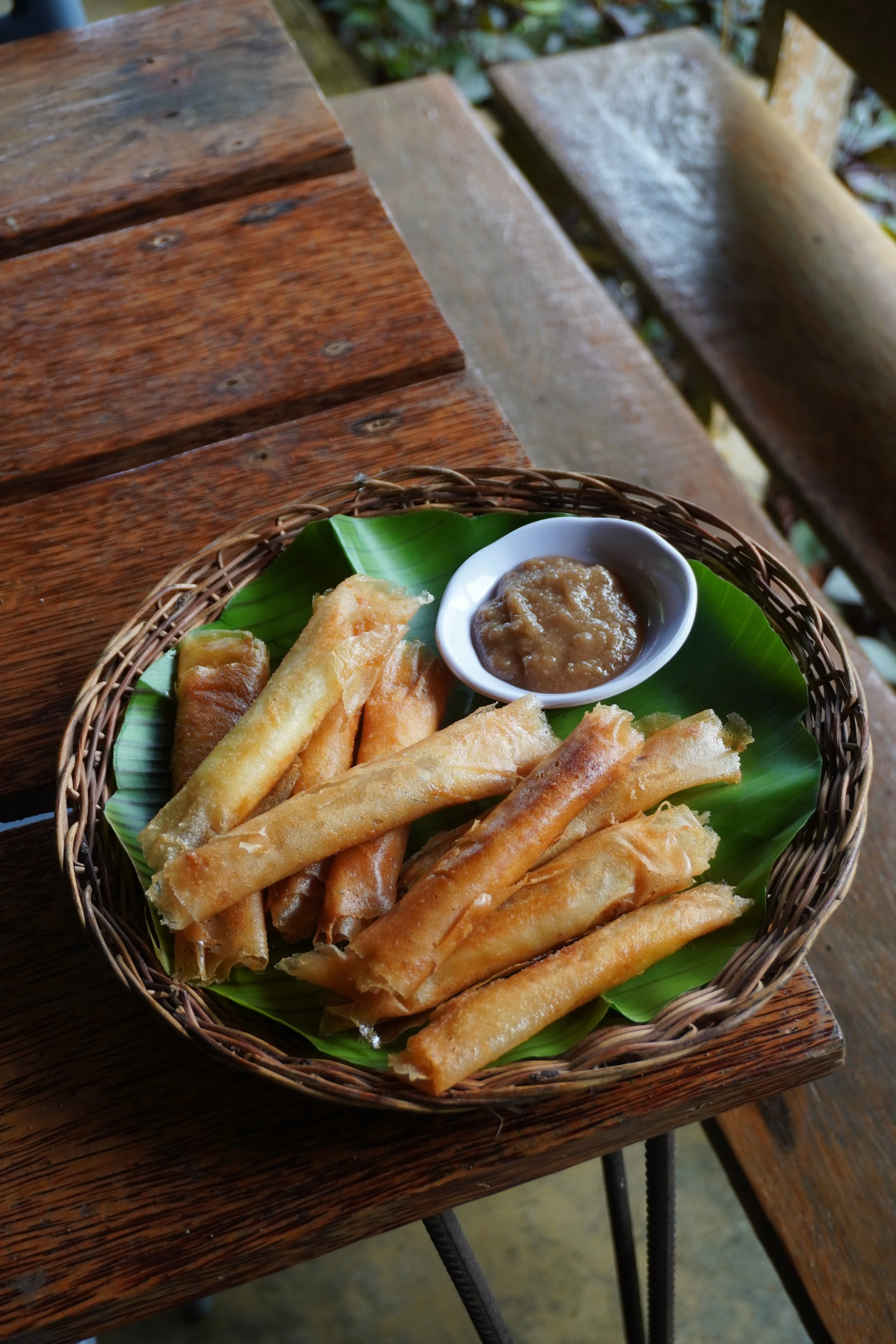
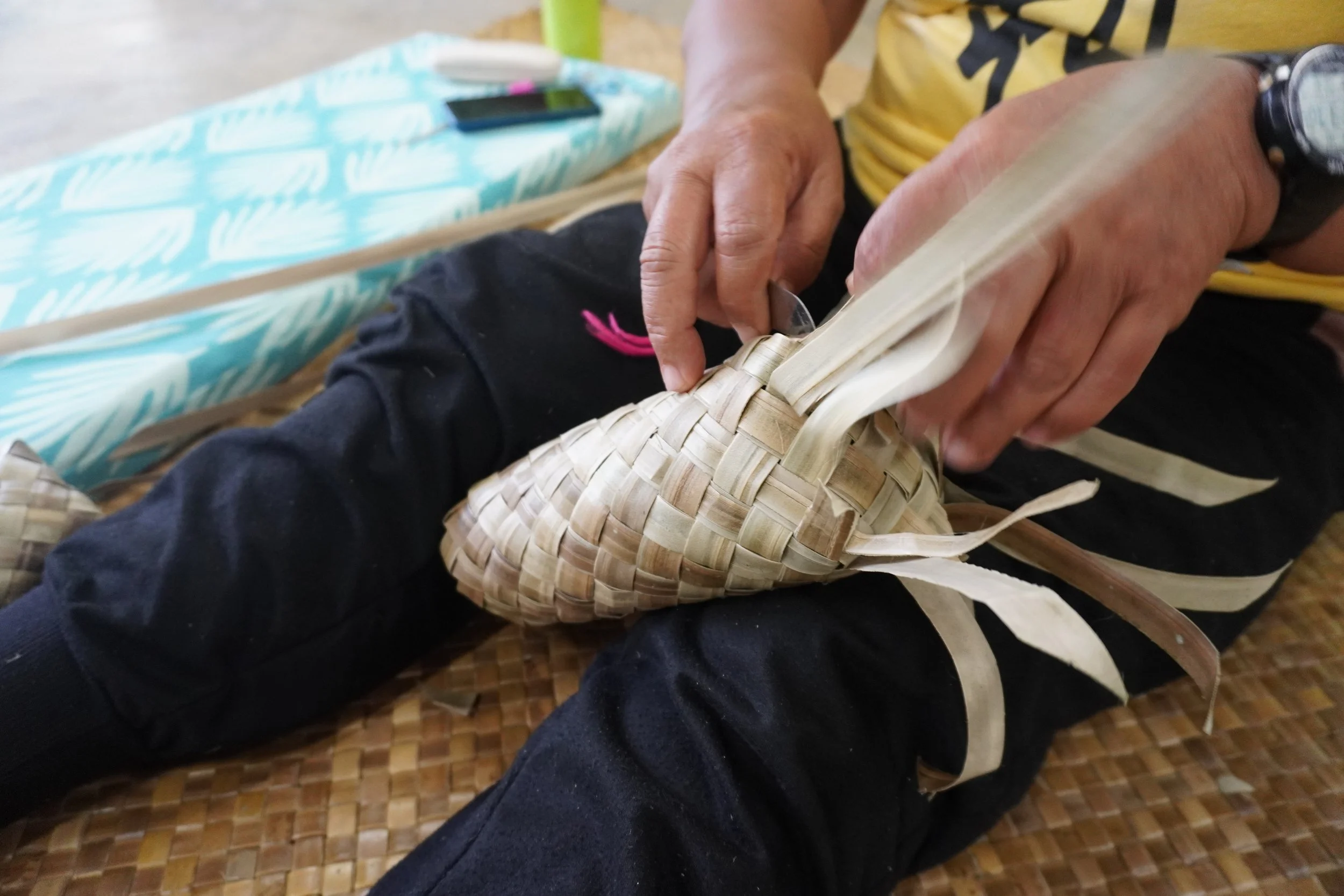
Together, we made banana heart sisig and lumpia. After the meal, Ate Vicky taught us traditional banig weaving, our hands slowly learning patterns that generations before us already knew by memory.
I surprised myself there. Back home, focusing for two uninterrupted hours without medication feels nearly impossible. For two hours, my mind stayed still.
The executive director, Mark, happened to be there too while a seminar for local farmers was taking place nearby. He explained that Lokal Lab was born out of witnessing Siargao grow at an unsustainable rate — an island changing faster than many locals could keep up with.
What I was feeling in Siargao wasn’t isolated frustration. It reflected concerns many locals have already been raising as tourism on the island accelerates faster than its infrastructure can handle.
Roads are crowded. Waste management systems are strained. Plastic pollution is increasingly visible across parts of the island, especially in areas seeing rapid development. Environmental advocates have also raised concerns about coral reef damage linked to dredging and construction projects tied to tourism expansion.
For many residents, the changes are economic too. As tourism grows, so does the cost of living. Many residents say rent and food prices have climbed alongside tourism growth, while an increasing number of businesses are being operated or financed by outsiders and foreign investors rather than locals. On an island where many families rely on fishing, farming, and small-scale tourism work, the imbalance is difficult to ignore.
There’s also growing conversation around what some locals describe as “invasive tourism” — visitors arriving with little understanding of local customs, treating the island less like a community and more like a consumable experience.
And beneath all of that is a quieter shift: cultural erosion.
The more Siargao becomes branded as an international destination, the more some locals worry about losing the very things that made the island distinct in the first place. Not just the environment, but the feeling of familiarity. The ability to recognize your community in the businesses, language, food, and spaces around you.
That’s partly why visiting Lokal Lab felt significant to me. Their work wasn’t framed around “eco-tourism” buzzwords or curated sustainability aesthetics. It was grounded in practical questions: How do local farmers survive rapid development? How do you protect native species? How do communities continue to benefit from the island as tourism grows around them?
Those conversations stayed with me long after we left the farm.